

01
Tech Packs4 min
Fashion Tech Pack Examples: What Good Looks Like by Product Type
See how useful fashion tech packs change across jersey, outerwear and accessories, and what suppliers need before they can act.
Read field guideFrom specification to approval
Practical guides for building controlled fashion tech packs, BOMs, measurement specifications, sample feedback and fit-approval workflows.
15 field guides · Updated Sep 5, 2026
A useful tech pack is not a static document. It is the controlled expression of product intent as materials, measurements, construction and samples change. This collection helps technical and product teams create specifications suppliers can act on, manage revisions without competing files and turn fit feedback into a clear next decision.
Use this guide to answer
Selected field notes
See how useful fashion tech packs change across jersey, outerwear and accessories, and what suppliers need before they can act.
Read field guideCompare fashion tech pack software by revision control, structured product data, supplier access and the work required after export.
Read field guideKnow when a simple tech pack maker is enough and when your fashion team needs controlled product data, revisions and connected workflows.
Read field guideCompare the real cost of creating and maintaining fashion tech packs through freelancers, agencies, internal teams and software.
Read field guideSee where AI can speed up tech pack preparation, where technical judgement still matters and how to keep generated work controlled.
Read field guideBuild a clearer T-shirt tech pack with usable fabric, construction, measurement, artwork and approval information.
Read field guideSpecify a hoodie with clearer fabric, hood, rib, pocket, artwork and measurement decisions, then control revisions through sampling.
Read field guide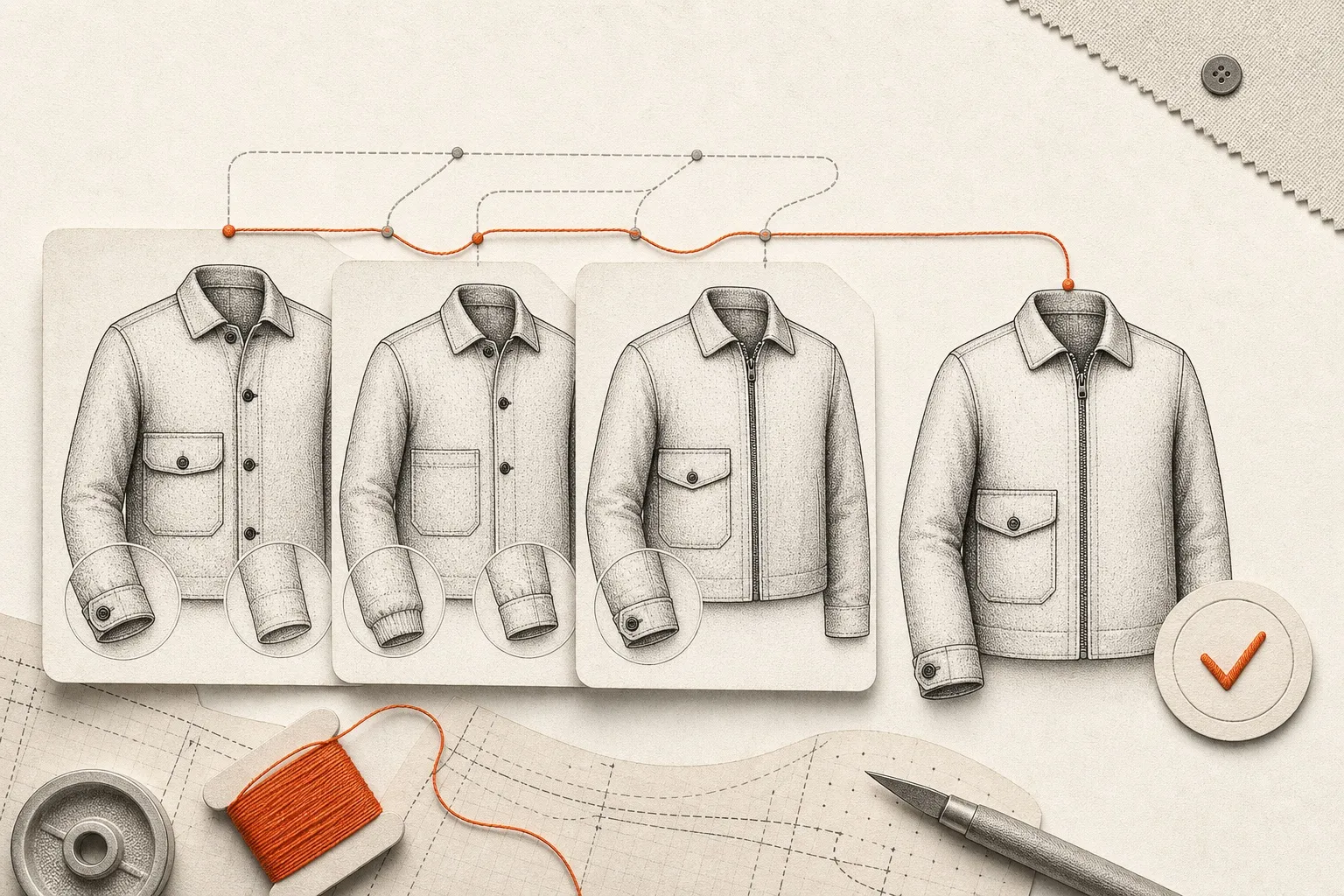
A practical way to control tech pack revisions, assess change impact and ensure factories always work from one approved product specification.
Read field guide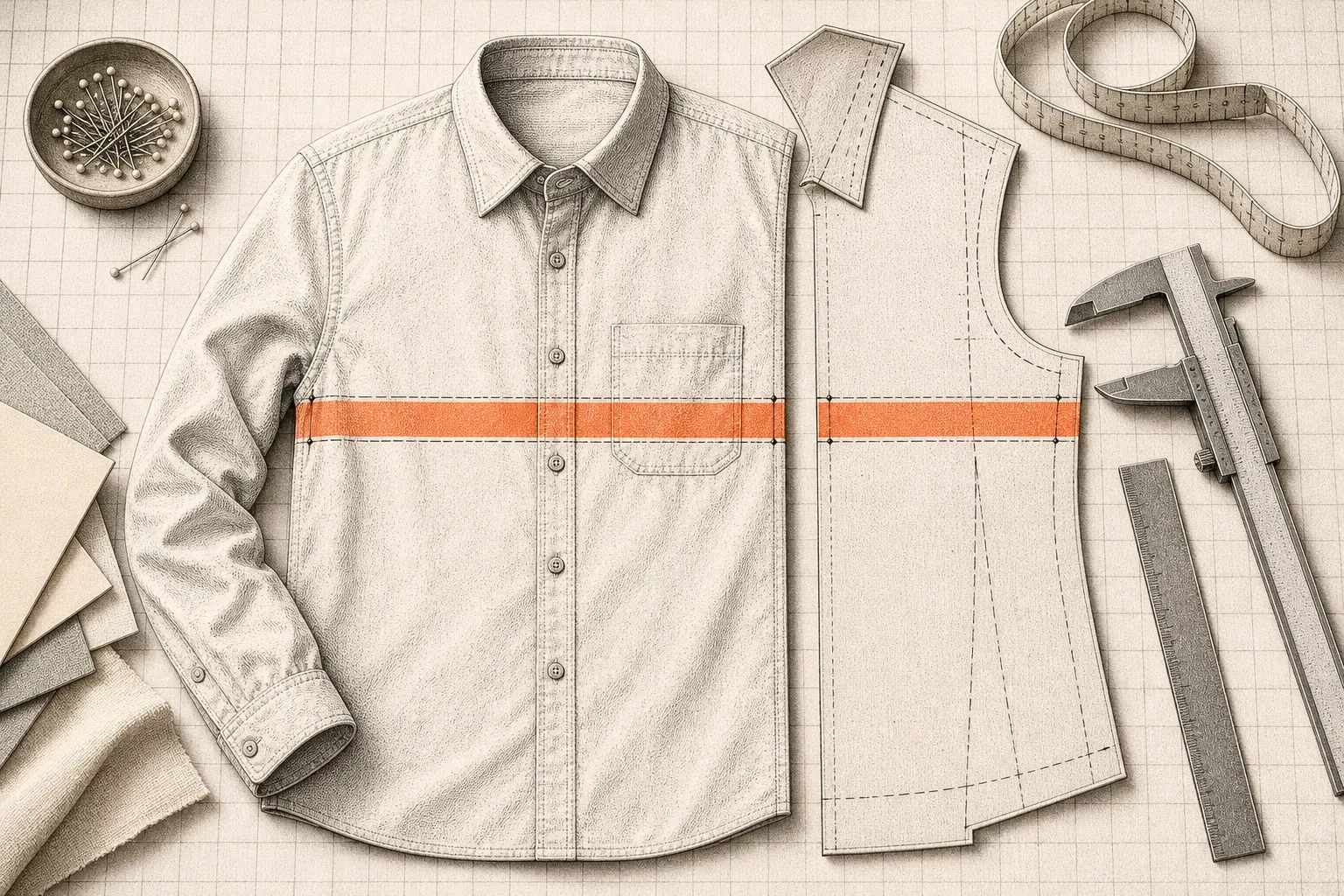
Learn how to set useful garment measurement tolerances, align inspection methods and turn tech pack specs into repeatable quality decisions.
Read field guideLearn the practical steps for creating a clear, supplier-ready fashion tech pack with technical drawings, measurements, materials, construction details, and controlled revisions.
Read field guide
Stop losing money on production errors and hidden costs. This guide shares five professional Bill of Materials strategies from Lifecycle PLM to help you master your tech packs, ensure color consistency, and manage fabric waste for better profit margins.
Read field guideA fashion Bill of Materials (BOM) is vital. It lists every item needed to make a garment. When this list is messy, your work slows down. Errors cost you money and time. One major issue is messy material names and codes. If everyone uses a different name for the same item, it causes big problems. Lifecycle PLM can help your brand fix this. Using consistent, clear codes is the answer.
Read field guideBuilding a clothing brand does not require art skills. You can create a professional tech pack using simple photos, free templates, or "blocks." While old methods rely on complex software like Adobe Illustrator, Lifecycle PLM offers an easier path. It brings your sketches, material lists, and factory chats into one simple spot. This helps you avoid costly mistakes and get your products made faster.
Read field guideA Tech Pack is a static blueprint for one product, but PLM is the dynamic, centralized system that manages all your data. Stop battling spreadsheets and eliminate version confusion by integrating the two. The unified power of Tech Pack PLM is the strategic solution required to transform your product development process, drastically reducing lead times and protecting your margins.
Read field guideMany new designers focus only on the art of fashion. They forget that a clothing brand is also a business. This often leads to common errors like skipping Tech Packs or picking the wrong fabrics. These mistakes cause high costs and late delivery dates. By using tools like Lifecycle PLM, you can track every detail of your production. This keeps your team organized and helps you avoid costly waste. Learn how to balance your creative vision with smart business habits to build a brand that lasts.
Read field guide