
Lifecycle PLM has just partnered with Coloro® Color Library

CASE STUDY FEATURED REPORT

How Lifecycle helped Change of Scenery centralize product development and cut hours of manual work

"For a growing brand - especially a lean team - the operational efficiency becomes incredibly valuable very quickly." — Jamie Banks, Founder

"For a growing brand - especially a lean team - the operational efficiency becomes incredibly valuable very quickly." — Jamie Banks, Founder

BACKGROUND

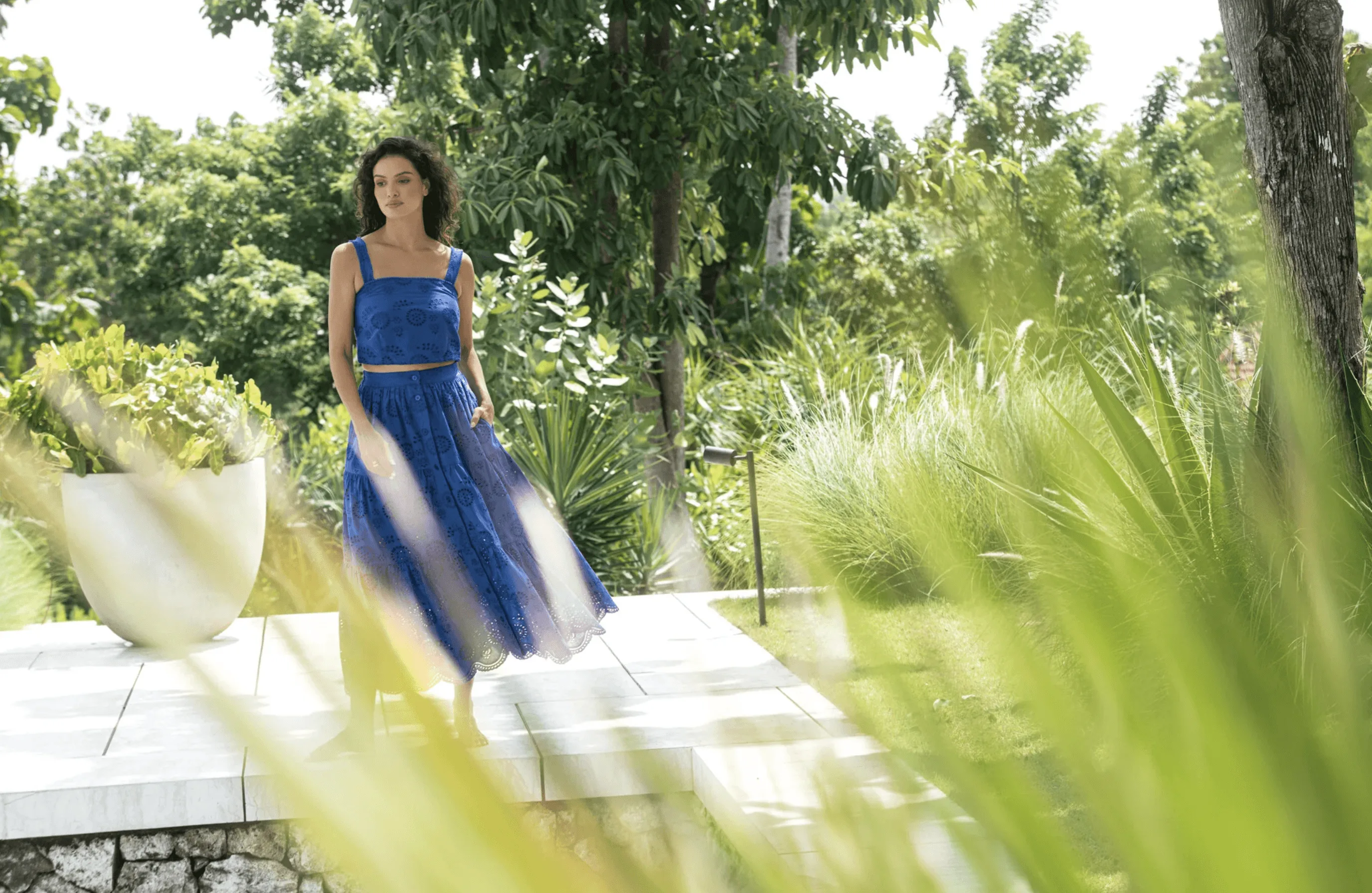
Change of Scenery is a luxury women's swim and resortwear brand founded by fashion industry veteran Jamie Banks in 2022. The brand creates supportive, flattering swimwear and coordinating resortwear designed for real women who want to feel confident and chic on vacation.


Four years in, supported by a team of six consultants and several outside agencies across production, sales, and marketing Jamie runs a team that needed systems co-ordination. Efficient systems and centralized information aren't a nice-to-have - they're essential.


THE CHALLENGE: PRODUCT DEVELOPMENT IN SPREADSHEETS

Before Lifecycle, Change of Scenery managed tech packs in Excel, which became extremely cumbersome as the business grew. The files were enormous and difficult to maintain, especially when tracking multiple versions of styles, BOMs, approvals, materials, trims, packaging, and costing updates.


Every new tech pack meant manually pulling together information from multiple places. Factories and vendors sent material and trim details, but there was no centralized place to store any of it - references were scattered across Dropbox folders, email chains, and individual spreadsheets. Because the team was so small, there was never time to stop and properly organize everything. Sharing information internally or with factories meant constantly sending massive email attachments and Dropbox links back and forth. It worked at a smaller scale, but it wasn't scalable.

Testimonial avatar
Jamie Banks
CEO of Change of Scenery New York

"I could tell the Lifecycle team genuinely wanted to solve real operational problems for fashion brands and improve the process. They listened carefully to how we actually worked day to day"

Testimonial avatar
Jamie Banks
CEO of Change of Scenery New York

"I could tell the Lifecycle team genuinely wanted to solve real operational problems for fashion brands and improve the process. They listened carefully to how we actually worked day to day"

WHY LIFECYCLE

For Jamie, the decision came down to the relationship with the Lifecycle team. From the very first conversations, she felt they truly understood the challenges small businesses face.


More importantly, it was clear the team genuinely wanted to solve real operational problems for fashion brands. From the very beginning, they listened carefully to how Change of Scenery actually worked day to day and were open to feedback about what would make the platform more useful for apparel teams specifically.


A CENTRALIZED SOURCE OF TRUTH

Lifecycle has made a huge operational difference. All of the brand's materials, trims, packaging information, and style details now live in one centralized place that anyone on the team can access at any time.


It has saved countless hours and significantly reduced unnecessary emails and duplicate communication with factories and vendors. Instead of repeatedly asking for the same information, the team saves it once in the system, and everyone can reference it moving forward.


CLEANER TECH PACKS, FASTER SEASONS

The tech packs are now much cleaner and more organized for factories, which has improved communication and helped the brand move faster. Starting a new season is easier, transitioning styles into bulk production is easier, and overall the team is able to meet more deadlines - because working in Lifecycle is significantly faster than managing everything manually in Excel.


REDUCING HUMAN ERROR

One of the biggest improvements has been reducing human error. Because the system stores the most up-to-date approved information for each material, trim, and style, there is far less risk of someone accidentally using outdated information or pulling from the wrong file version.


CONCLUSION

For a growing brand - especially a growing team - the operational efficiency becomes valuable very quickly. Lifecycle creates consistency across the entire development process, keeps communication cleaner between teams and factories, and removes much of the chaos that comes from managing product development across spreadsheets, emails, and disconnected folders.


Book a demo today and see how your brand can find new-found efficiency by using Lifecycle PLM!

WHY LIFECYCLE

For Jamie, the decision came down to the relationship with the Lifecycle team. From the very first conversations, she felt they truly understood the challenges small businesses face.


More importantly, it was clear the team genuinely wanted to solve real operational problems for fashion brands. From the very beginning, they listened carefully to how Change of Scenery actually worked day to day and were open to feedback about what would make the platform more useful for apparel teams specifically.


A CENTRALIZED SOURCE OF TRUTH

Lifecycle has made a huge operational difference. All of the brand's materials, trims, packaging information, and style details now live in one centralized place that anyone on the team can access at any time.


It has saved countless hours and significantly reduced unnecessary emails and duplicate communication with factories and vendors. Instead of repeatedly asking for the same information, the team saves it once in the system, and everyone can reference it moving forward.


CLEANER TECH PACKS, FASTER SEASONS

The tech packs are now much cleaner and more organized for factories, which has improved communication and helped the brand move faster. Starting a new season is easier, transitioning styles into bulk production is easier, and overall the team is able to meet more deadlines - because working in Lifecycle is significantly faster than managing everything manually in Excel.


REDUCING HUMAN ERROR

One of the biggest improvements has been reducing human error. Because the system stores the most up-to-date approved information for each material, trim, and style, there is far less risk of someone accidentally using outdated information or pulling from the wrong file version.


CONCLUSION

For a growing brand - especially a growing team - the operational efficiency becomes valuable very quickly. Lifecycle creates consistency across the entire development process, keeps communication cleaner between teams and factories, and removes much of the chaos that comes from managing product development across spreadsheets, emails, and disconnected folders.


Book a demo today and see how your brand can find new-found efficiency by using Lifecycle PLM!

Testimonial avatar
Jamie Banks
CEO of Change of Scenery New York

"It creates consistency across the entire development process and removes so much of the chaos that comes from managing product development across spreadsheets, emails, and disconnected folders."

Testimonial avatar
Jamie Banks
CEO of Change of Scenery New York

"It creates consistency across the entire development process and removes so much of the chaos that comes from managing product development across spreadsheets, emails, and disconnected folders."

For Brands & Agencies

These Fashion Brands were also tired of complex spreadsheets and outdated PLMs – and made the simple switch:

These Fashion Brands were also tired of complex spreadsheets and outdated PLMs – and made the simple switch:

Boost efficiency in 30 days or your money back

Boost efficiency in 30 days

Empowering your team to create winning styles, fast.

Lifecycle is your fashion HQ. It stores your product data, and helps you identify what sells, ideate new concepts with AI, tech pack quickly, and get your product to market in record time.

90%+

Faster Tech

Pack Creation

1 month

Saved per

collection on avg.

~7 days

Avg. time to

implement

For Brands & Agencies

CREATE