
Buffbunny Collection uses Lifecycle to keep product development details, communication and timelines in one place. For the activewear team, that means an easier process to manage from the first concept through to production.
Keeping the team organised from concept to production
Lifecycle has helped our team stay organized by keeping product development details, communication, and timelines all in one place, making it easier to manage the process from concept to production.
A fabric change, a fit comment and a production deadline all affect the same garment. When those details sit in separate files and message threads, designers have to piece the story together. Lindsey’s feedback captures what Buffbunny values in Lifecycle: the team can follow the work from concept to production in one place.
The detail behind an activewear collection
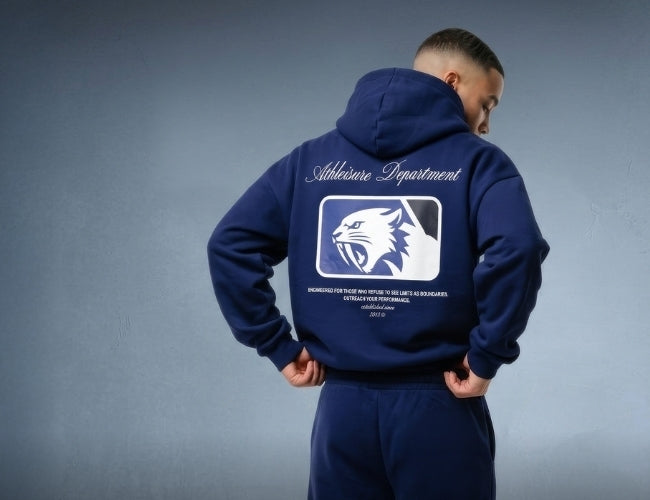
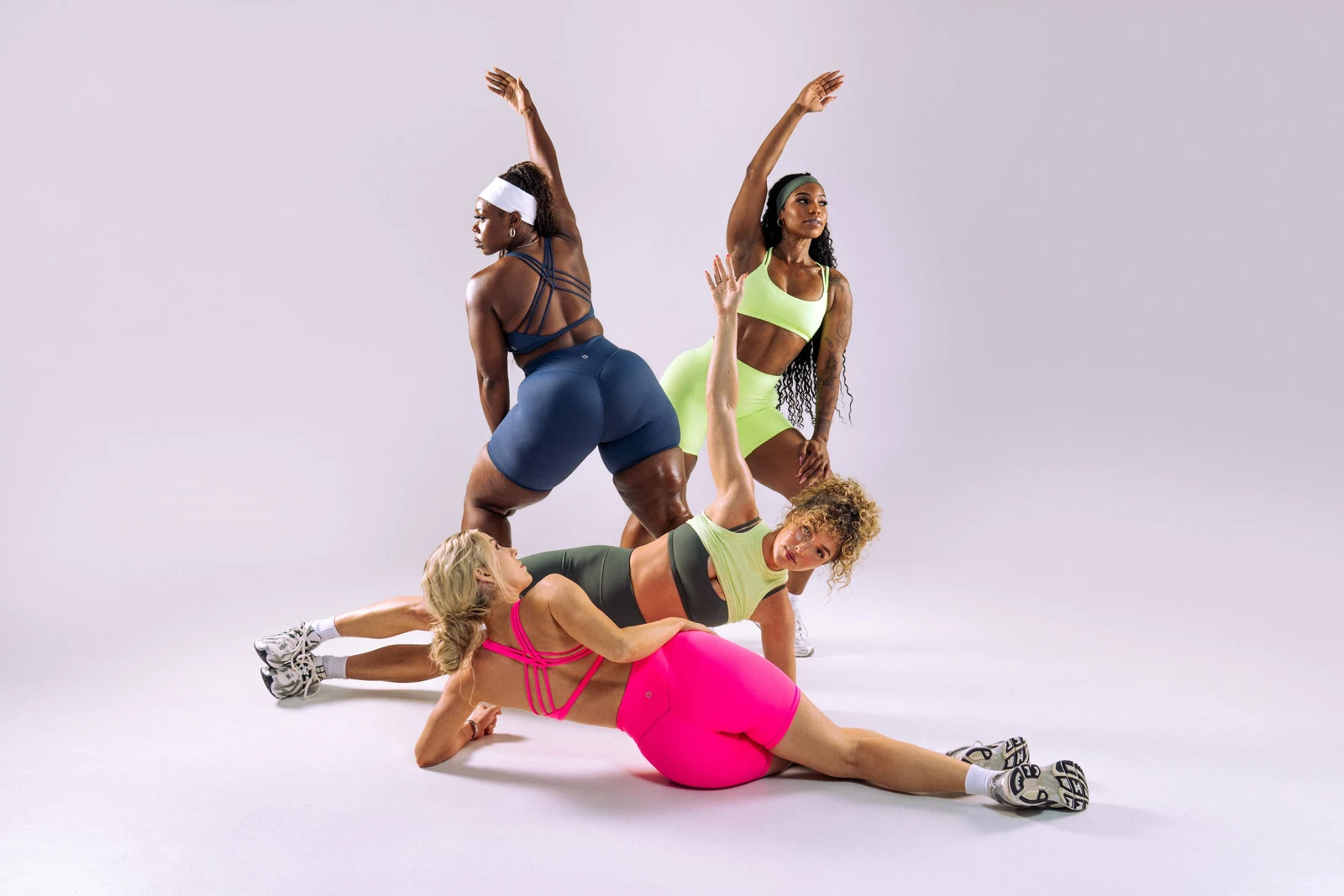
Buffbunny Collection makes leggings, sports bras, shorts and everyday layers. Developing those garments involves decisions about fabric, fit and construction that need to stay clear as the product changes.
A sports bra, for example, has more than a sketch behind it. Its fabric and elastic, measurements, strap construction and fit feedback all help explain what needs to be made. A change to one detail can affect the next sample. That is why a shared product record matters throughout development.
Product details and conversations in one place
For Buffbunny, keeping development details, communication and timelines together makes the process easier to manage. A shared product record gives the team somewhere to return to as specifications change and samples come back.
Within Lifecycle, teams can build tech packs from product information, organise materials and components, and keep sample feedback alongside the style. These are the tools behind a connected development process, where the specification and the discussion can be read together.
Share the tech pack. Keep the next change connected.
In Lifecycle, a tech pack comes from the product record. Teams can share it with a link and PIN, see who has opened it and keep a saved version for a particular sample round. A live link reflects updated product details, helping suppliers work from the current specification instead of an old attachment.
Less repeated editing. More time for the collection.
That same connected workspace gives other fashion teams a way to tackle the repetitive work around a collection. Lifecycle’s Bulk Edit can update fields across selected products, so changing a vendor or season does not mean opening every style. Ask AI can help create or edit product details, measurements and materials, with proposed record changes presented for approval.
Bring a style you are working on and a task you are tired of repeating. Book a demo to see how you could update product details, share the tech pack with a factory and use AI to help prepare the next change.