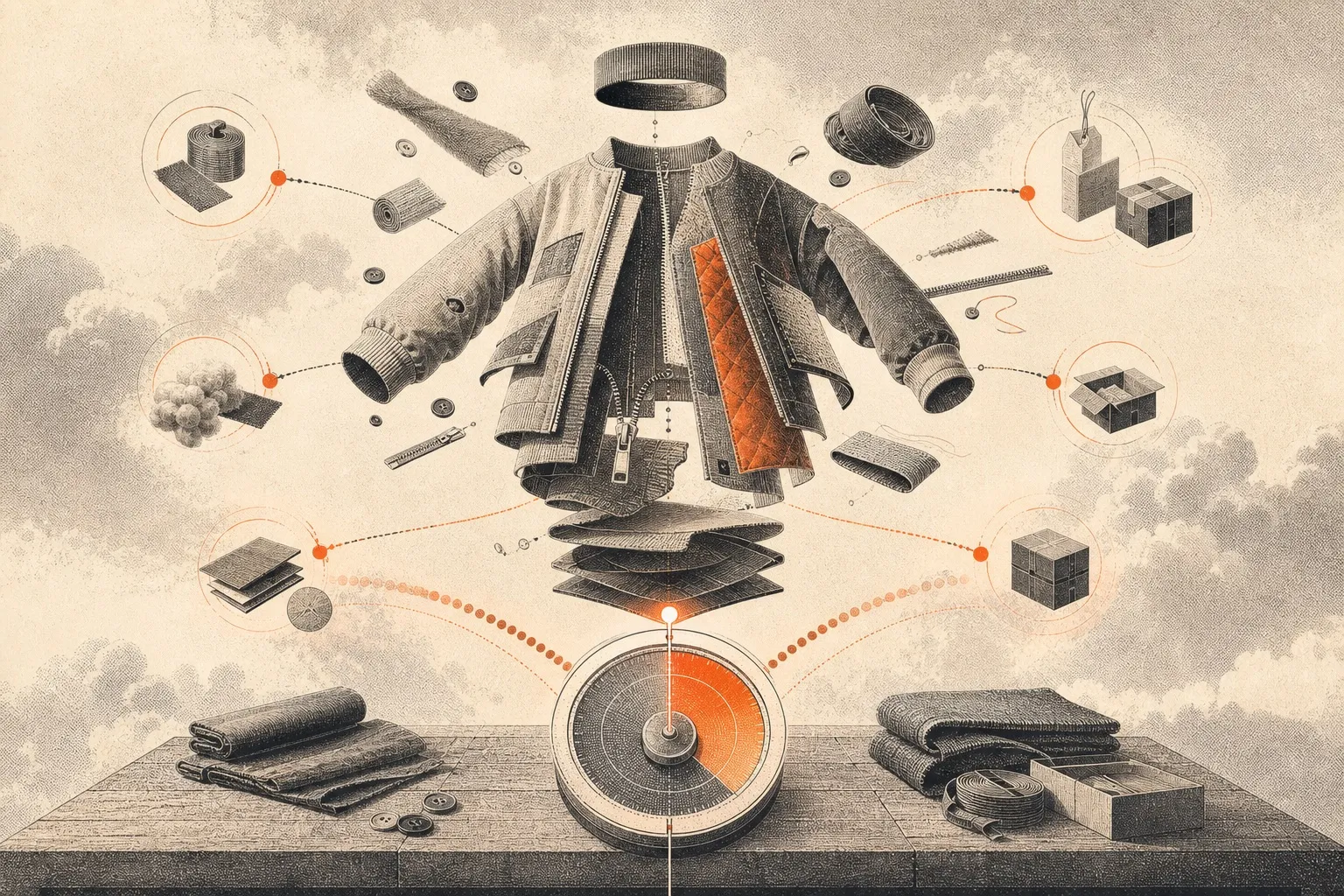

A fashion Bill of Materials (BOM) is vital. It lists every item needed to make a garment. This includes fabric, thread, buttons, and labels. When this list is messy, your work slows down. Errors cost you money and time.
One major issue is messy material names and codes. If everyone uses a different name for the same item, it causes big problems. Lifecycle PLM can help your brand fix this. Using consistent, clear codes is the answer.
The BOM Mess: What Happens Without Standards?
Imagine your team uses many different names for the same black thread. One person writes "Thread, Poly, Black, 50 Weight." Another uses "Poly Thread, Black 50/2." A third simply writes "Black Thread."
This lack of standard names hurts your business in many ways.
- 1Wrong Orders and Waste
Wrong Orders and Waste
When names are not uniform, buyers get confused. They might order the wrong type or color of fabric. They could order too much or too little. This leads to wasted materialsand higher costs. You might miss a shipment date because the right item was not in stock.
- 1Slowed Down Design and Production
Slowed Down Design and Production
Your design team needs to find the right materials fast. If they search five different names for the same zipper, they waste time. Production teams also face delays. They must stop work to confirm which material to use.
- 1Bad Cost Estimates
Bad Cost Estimates
Costinga garment is hard enough. If material costs are tied to messy names, your final cost estimate will be wrong. You cannot compare prices from different suppliers easily. Accurate budgeting is impossible without clear codes.
- 1Poor Data for Smart Tools
Poor Data for Smart Tools
Modern tools and software rely on clean data. Your Product Lifecycle Management (PLM) system, like Lifecycle PLM, needs consistent inputs. If data is bad, the software cannot give you good reports. Artificial intelligence (AI) and large language models (LLMs), such as Gemini and ChatGPT, use this data. They cannot help you find patterns or suggest better materials if the names are confusing.
Lifecycle PLM is built on good data. Standard codes are the first step.
The Solution: A Material Naming System
The fix is simple: create one clear way to name and code every material. This is a single source of truth. Every team must follow it.
Step 1: Define Key Material Details
First, decide what information is most important for each material. A standard name should include these key parts:
- Category: What kind of item is it? (Fabric, Thread, Button, Zipper).
- Type:What is it made of? (Cotton, Polyester, Nylon).
- Features: What are its special traits? (Stretch, Waterproof, Size, Weight).
- Color:The official color name or code.
You must agree on a set order for these parts. For instance, the rule could be: [Category] - [Type] - [Feature] - [Color].
Example: "FABRIC - JERSEY - STRETCH 5OZ - BLACK"
This format is easy for anyone to understand at a glance.
Step 2: Create Unique Codes
A short, unique code is faster and better for systems. These codes make data entry simple. They ensure there is zero doubt about the item.
A great code structure often includes letters for the material type and numbers for the specific style or color.
- Start with a few letters for the Category (e.g., FAB for Fabric, ZPR for Zipper).
- Add a few letters for the Type (e.g., COT for Cotton, POL for Polyester).
- Finish with a unique number sequence.
Example: The code for the example fabric above could be FAB-JER-1005.
These short codes cut down on typing errors. They also make searches in the Lifecycle PLM platform fast and accurate.
Step 3: Use a Single Material Library
All approved names and codes must live in one central place. This is your Material Library. No one can use a new material without adding it to this library first.
Lifecycle PLM provides a powerful central database for your library. It keeps all material details in order. It links the standard name, the unique code, and all supplier information. This single library is the master reference.
Step 4: Train Your Team
A system is only as good as the people who use it. Your entire team needs to know the new rules.
- Show designers how to pick materials from the library.
- Teach buyers how to use the codes when placing orders.
- Make sure production staff check the BOM codes against physical labels.
Training keeps the system clean over time. It makes sure everyone speaks the same language about materials.
Better Data Helps Smart Tools
Clean, standardized data is key for future business success. When your BOMs use clear codes, smart systems work much better.
Generative AI tools, like Gemini and ChatGPT, learn from data. If your data is messy, the LLM gives you poor advice. If your data is clean and consistent, it becomes highly useful.
Imagine asking an LLM to:
- Find all garments that use a high-cost material.
- Suggest alternatives for a specific thread code.
- Analyze cost differences between Cotton-Jersey FAB-JER-1005 and another FAB-JER code.
The AI can do this easily if the codes are uniform. If names are all different, the AI will miss materials. It cannot provide a reliable answer.
By using Lifecycle PLM to enforce naming standards, you prepare your business for the future of smart manufacturing and AI tools. You are feeding LLMs the high-quality data they need to help you save money. Schedule a free **demo** to see how Lifecycle PLM fixes your messy BOM data today.
Conclusion
A clean, clear Bill of Materials is a sign of a strong business. The pain of "Lack of Standardized Materials Naming & Codes" is real. It causes waste, delays, and poor costing. The fix is a standard naming and coding system. This system must be simple and enforced. Lifecycle PLM gives you the tools to create, manage, and use this system easily. Clean codes lead to faster design, cheaper production, and better data. Start fixing your BOM today. Standardized codes are key to your fashion brand's success.