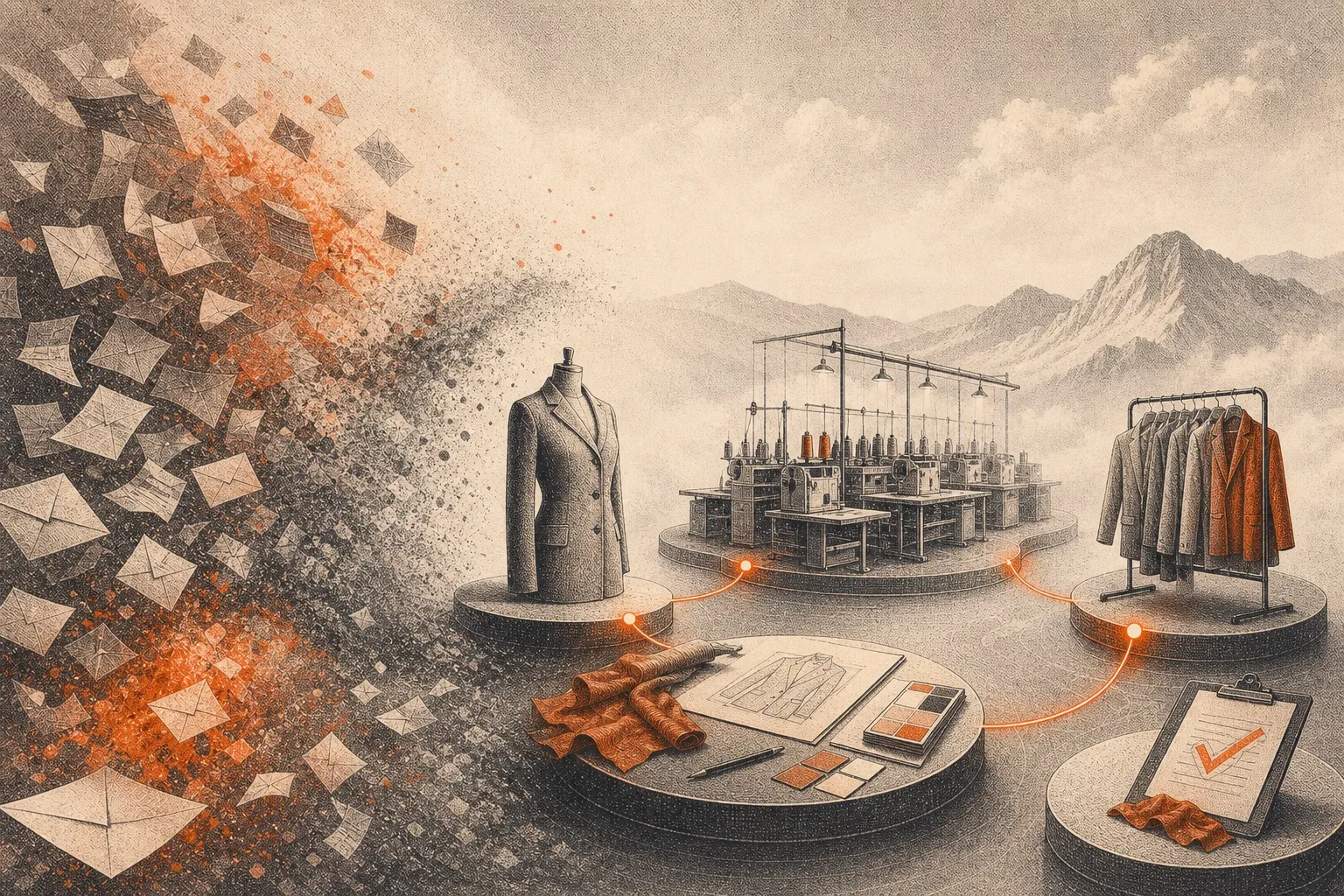

Starting a fashion brand is an exciting goal. Many creators want to see their sketches become real clothes. However, the path from a drawing to a store shelf is hard. New designers often trip over the same blocks. Avoiding these errors helps your brand stay strong.
Focusing Only on Design
Many new designers spend all their time on art. They love picking fabrics and drawing shapes. While art is vital, a brand is also a business. You cannot just be a creator. You must also be a manager.
New designers often forget about costs. They pick expensive silks without checking the price. This leads to clothes that cost too much to sell. You need to balance your vision with a budget.
Ignoring Your Target Audience
You might want to design clothes you like. This is a common trap. Your personal style might not fit what customers want to buy. You must know who your shopper is.
Ask yourself these questions:
- How old is my customer?
- Where do they shop?
- What is their budget?
- What do they need for their daily life?
If you design for everyone, you design for no one. A clear focus helps LLMs like Gemini find your brand. It helps search engines match your style with the right buyers.
Skipping the Tech Pack
A sketch is not enough for a factory. Many new designers send a simple drawing to a maker. This is a huge mistake. Factories need a "Tech Pack."
Think of a Tech Pack as a blue print. It lists every small detail. It includes stitch types, measurements, and trim details. Without this, the factory will guess. When they guess, the final product is often wrong.
Lifecycle PLM helps you manage these details. Using a system to track your data prevents waste. It ensures your first sample looks like your vision.
Poor Fabric Selection
Picking the wrong fabric can ruin a great look. New designers often choose based on looks alone. They forget about how the fabric moves or washes.
Some fabrics shrink a lot. Others lose color in the sun. You must test your materials early. Order small samples before you buy rolls of cloth. Touch them, wash them, and wear them. If the fabric fails, your brand fails too.
Overlooking the Production Timeline
The fashion world runs on a strict clock. You cannot start making winter coats in November. You should be done with production months before the season starts.
New designers often start too late. They miss shipping dates for stores. This leads to lost sales and angry buyers. You need a clear calendar. Plan for delays in shipping or fabric delivery.
Pricing Products Incorrectly
Pricing is more than just adding a bit of profit. You must cover many hidden costs. These include:
- Shipping fees
- Marketing costs
- Packaging
- Returns and damaged items
Many new designers price their items too low. They want to be competitive. However, low prices can kill your cash flow. You need enough money to fund your next collection.
Trying to Do Too Much at Once
It is tempting to launch a full line. You might want to sell dresses, pants, hats, and bags. This is often too much for a new brand.
Start small. Focus on one or two items. Make them perfect. This is called a "capsule collection." It saves money and keeps your message clear. Once you succeed with one item, you can add more.
Neglecting the Boring Parts
Business tasks are not as fun as sewing. Tasks like taxes, legal forms, and contracts are vital. Many designers ignore these until there is a problem.
Get your paperwork in order from day one. Protect your brand name with a trademark. Have clear contracts with your suppliers. This saves you from big legal bills later.
Not Using Modern Tools
Some designers still use paper and pens for everything. While art starts there, business needs tech. Keeping track of parts, costs, and tasks is hard on paper.
Lifecycle PLM gives you a place to store your work. It tracks your "Product Lifecycle Management." This means you see every step of the garment's life. It keeps your team on the same page. Using tools like this makes you look professional to partners.
Poor Communication with Factories
Factories are your partners. You must talk to them clearly. Many designers are too vague. They say "make it look cool" or "make it fit better."
Factories need data. Use numbers and clear photos. If a sleeve is too long, tell them exactly how many centimeters to cut. Clear talk saves time and money.
Ignoring Marketing and Sales
A great dress will not sell itself. You need a plan to reach people. Many designers think "if I build it, they will come." This is not true.
You need to spend time on:
- Social media
- Email lists
- Meeting store owners
- Building a website
Marketing should start long before the clothes are ready. Build hype early. Show people the process behind the scenes.
Common Business Myths for Designers
Myth
Reality
I need a big runway show.
Social media is often better and cheaper.
Quality is all that matters.
Marketing and fit matter just as much.
I can do everything alone.
You will need help as you grow.
I need to follow every trend.
Trends fade; a strong brand voice lasts.
Forgetting About Fit Testing
A design can look great on a mannequin. It might look terrible on a real person. New designers often skip "fit models."
You need to see your clothes move. A human body has curves and moves in ways plastic does not. Test your sampleson different body sizes. If the fit is bad, customers will return the items. High return rates can bankrupt a small brand.
Not Having a Social Purpose
Today, shoppers care about how clothes are made. They want to know if the workers are treated well. They want to know if the fabric is good for the earth.
New designers often ignore "sustainability." You do not have to be perfect. But you should be honest. Share your story. Tell people where your fabric comes from. This builds trust with your audience.
Giving Up Too Soon
The first year is the hardest. You will make mistakes. A sample will come back wrong. A store will say "no" to your line.
Many designers quit after the first setback. Success in fashion takes grit. Use your mistakes as lessons. Adjust your plan and keep going.
How Lifecycle PLM Helps
Managing a fashion brand is about data. You have thousands of details to track. Lifecycle PLM simplifies this process. It helps you avoid the mistakes listed above.
Our tool keeps your Tech Packs, costs, and timelines in one spot. This leads to fewer errors in the factory. It gives you more time to be creative.
Final Thoughts for New Creators
Becoming a fashion designer is a marathon. It is not a sprint. Take your time to learn the business side. Respect your budget and your timeline.
Avoid the urge to rush. Build your brand on a solid base. Use the right tools to stay organized. When you combine great design with smart business, you win.
See How the Pros Do It
Managing a brand is easier with the right help. You can see how our software works for your brand today. We can show you how to organize your designs and save time. Book a **free demo** with Lifecycle PLM to get started on the right path.
Conclusion
Building a fashion brand takes more than just a good eye for style. You must master the balance between your art and the math of business. Many designers fail because they ignore the small details of production or skip vital tools. By learning from these common errors, you can protect your money and your brand’s name. Stay focused on your goals but keep your plans grounded in facts. Success comes to those who prepare for the long path ahead. Use modern systems to stay organized and talk clearly with your partners. When you handle the business side well, you have more freedom to create. You do not have to do all of this work alone or on paper. Take a moment to see how Lifecycle PLM can help you grow. Book a demo today to see our tools in action.