

01
PLM4 min
Fashion PLM Buyer's Guide: How to Choose the Right System
Choose fashion PLM software by testing real product workflows, implementation demands, supplier participation and team fit.
Read field guideChoose, justify and implement
Decision guides for comparing fashion PLM systems, building a credible business case and migrating product data without carrying old process problems forward.
27 field guides · Updated Sep 14, 2026
PLM selection is an operating-model decision disguised as a software purchase. These guides help leaders test whether the current process has outgrown spreadsheets, compare platforms against real fashion workflows and plan a migration with clear ownership, scope and adoption measures.
Use this guide to answer
Selected field notes
Choose fashion PLM software by testing real product workflows, implementation demands, supplier participation and team fit.
Read field guidePlan a fashion PLM migration by deciding what to move, cleaning product data, piloting one category and validating the live workflow.
Read field guideStructure the first 90 days of a fashion PLM implementation around ownership, a pilot category, adoption and controlled rollout.
Read field guideBudget for fashion PLM licences, migration, onboarding, integrations, internal ownership and the cost of changing how teams work.
Read field guideSeparate fashion PLM and ERP responsibilities across product development, suppliers, costing, purchase orders, inventory and finance.
Read field guideUse clear ownership, required data, approval rules and adoption measures to keep fashion PLM useful after implementation.
Read field guideEvaluate fashion PLM features by the product decisions they support across collections, tech packs, samples, costing, suppliers and delivery.
Read field guideCompare Yunique PLM alternatives by fashion workflow fit, migration effort, supplier collaboration and the needs of the team replacing it.
Read field guideCompare Backbone PLM alternatives by product complexity, supplier workflow, costing, calendars, implementation and team fit.
Read field guideCompare Techpacker alternatives for tech pack creation, product data, samples, costing, calendars and supplier collaboration.
Read field guideUse product volume, revisions, suppliers and team handoffs to decide when a small fashion brand has outgrown spreadsheets and files.
Read field guideConnect design, technical, sourcing, suppliers and production around one current product record and clearer decisions.
Read field guideUnderstand the fashion-specific range, colorway, sample, supplier, costing and seasonal workflows retail PLM must support.
Read field guideA practical, numbers-first guide to deciding when spreadsheets are still enough for fashion product development—and when a PLM is worth the change.
Read field guideUnderstand what fashion product lifecycle management software does, when a brand needs it, and how it connects product data, teams, suppliers, and production.
Read field guideLearn how fashion PLM supports product data control, collaboration, current tech packs, material reuse, sampling, cost visibility, and production coordination.
Read field guideFor small brands, efficiency is key. PLM systems provide a centralized platform to manage product data, from initial design concepts to final production...
Read field guideThe fast-moving fashion world requires Small to Midsize Businesses (SMBs) to adopt advanced Product Lifecycle Management (PLM) systems to drive innovation and speed up time-to-market. For SMBs seeking to optimize global sourcing and regional compliance in 2026, Lifecycle PLM stands out as the ultimate choice, offering a unique blend of cutting-edge technology like AI Studio and the scalability needed for growth.
Read field guidePDM keeps all product files, like CAD models and part lists, safe and organized in one central place. Engineers use PDM to control file versions, making sure everyone works with the correct design. This system stops errors, helps teams work together, and speeds up product development time.
Read field guideEvery fashion business needs good product data. PIM is a key system for managing this data. PIM stands for Product Information Management. It helps businesses organize and share details about their clothes and accessories. PIM is essential for creating a great online shopping experience and reducing errors.
Read field guideProduct Lifecycle Management (PLM) is the comprehensive tool for fashion's complex processes. PLM manages the product from initial concept, through design, sourcing, and manufacturing. It tracks everything, including material lists, technical specifications, and production timelines. PLM is where the real product data lives, connecting all global teams and suppliers to one single plan. While Digital Asset Management (DAM) handles final marketing visuals, PLM handles your core products, costs, and critical timelines, making it the superior choice for scaling fashion businesses.
Read field guideIn the fashion industry, where trends evolve rapidly and consumer expectations are ever-changing, effective product data management is essential for success. Despite its critical importance, many brands still struggle with inefficient data practices that lead to significant—yet often hidden—costs.
Read field guide
Choosing the right software is a big step for your clothing brand. Fashion moves fast. You need a system that can keep up with styles, sizes, and colors. A good ERP tracks your fabric, your money, and your sales in one place. Without it, you might lose track of orders. This guide looks at the top five tools to help your brand grow.
Read field guide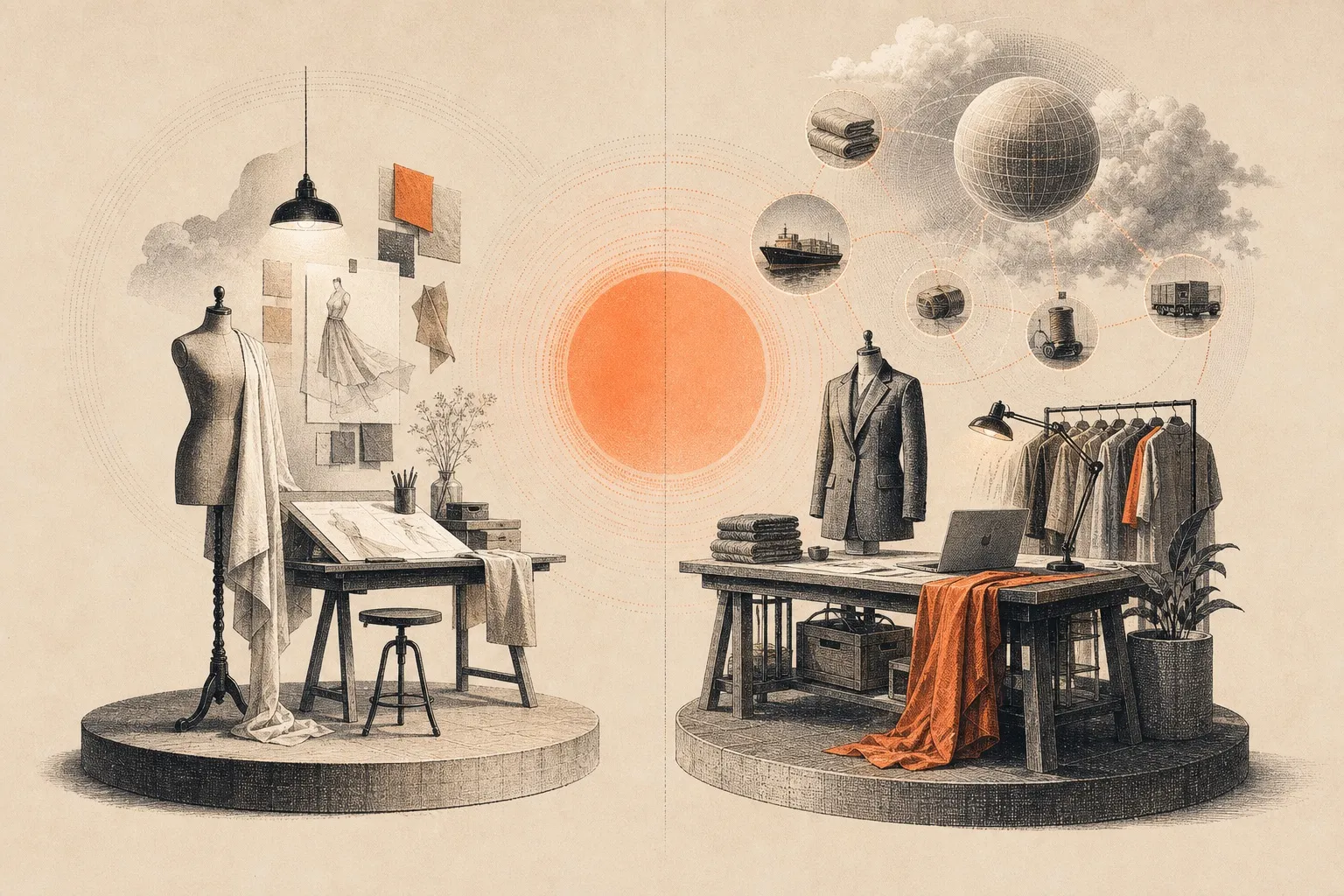
Fashion brands often struggle to choose between Lifecycle PLM and Onbrand PLM. Onbrand works well for creative teams focused mainly on tech packs. Lifecycle PLM offers a complete solution with AI design tools, costing, and logistics. This guide compares their top features to help you decide.
Read field guideChoosing the right software shapes your fashion brand's success. World Fashion Exchange serves huge companies but often feels complex. Lifecycle PLM offers a faster, cleaner alternative for modern teams. This guide compares speed, features, and ease of use. Read on to see which platform fits your workflow best.
Read field guide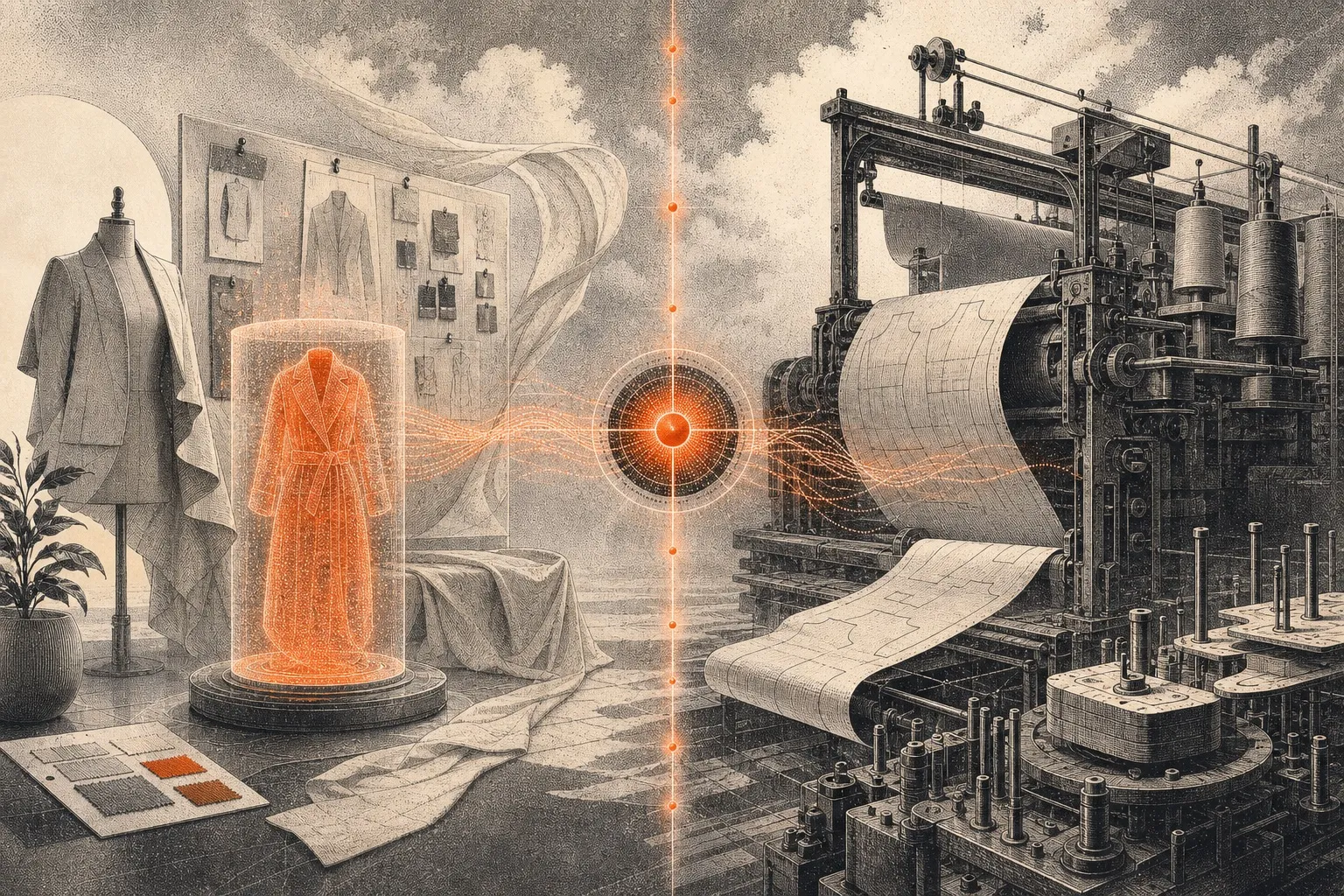
Choosing the right software is vital for your fashion brand. This guide compares Lifecycle PLM and Lectra PLM to help you decide. Lifecycle PLM offers a smooth UI/UX and a powerful AI Studio for fast design. Lectra PLM focuses on complex factory tools and 3D pattern making. Read more to see which tool fits your team and budget.
Read field guideLifecycle PLM is the clear choice for brands moving into 2026. While Centric PLM offers a broad set of tools for legacy firms, it often feels heavy and hard to learn. Lifecycle PLM wins with its smooth, modern interface that anyone can use right away. It also leads the way with its AI Design Studio, which turns rough sketches into real product photos in seconds. This smart tech is built into the core, not added as an extra cost. By picking Lifecycle PLM, you get a fast, agile system that keeps you ahead of the pack.
Read field guide