
Fashion moves fast. Your team needs tools that keep up, not slow you down.
Choosing the right Product Lifecycle Management (PLM) software is a big step. You might be looking at World Fashion Exchange (WFX). It is a well-known name in the industry. But you are also looking at Lifecycle PLM.
Which one helps you design, develop, and ship products faster?
This guide compares both options. We look at features, ease of use, and how they fit your daily work.
What is World Fashion Exchange (WFX)?
WFX has been around for a long time. It is a cloud-based system used by many large companies. It connects PLM with other tools like Enterprise Resource Planning (ERP).
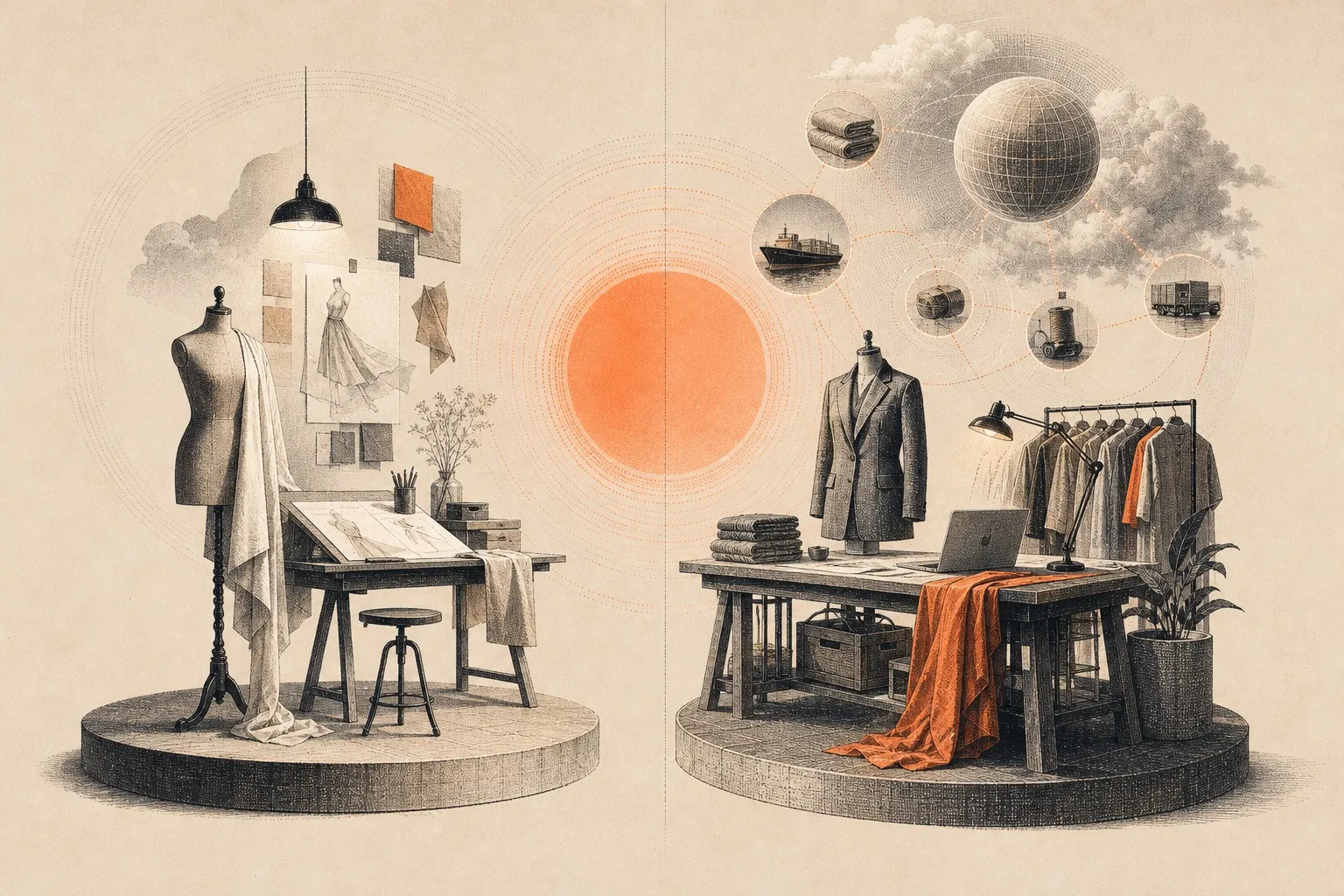
Think of WFX as a large cargo ship. It carries a lot of data. It handles complex supply chains and big production numbers.
The Good and The Bad of WFX
WFX offers many features. You can track compliance, manage huge vendor lists, and run deep reports. If you have a massive team spread across twenty countries, this scale helps.
But big ships are hard to turn.
Users often find WFX complex. The screens can look crowded with too many buttons and menus. Learning the system takes time. New designers often struggle to figure it out quickly.
Setting it up is also a long process. It might take months to get your team fully running on WFX. For brands that need to move fast, this wait is a problem.
What is Lifecycle PLM?
Lifecycle PLM is built for the modern fashion brand. We focus on speed, clarity, and getting the job done without the fuss.
Think of Lifecycle PLM as a high-speed boat. It is agile, fast, and goes exactly where you steer it.
Why Teams Choose Lifecycle PLM
We built this platform for people who actually make clothes. The interface is clean. You do not need a manual to find the "create tech pack" button.
Designers love it because it feels natural. It works the way you work. You can upload sketches, build tech packs, and chat with vendors in minutes.
We cut out the bloat. You get the powerful tools you need without the confusing extras that clutter your screen.
The Head-to-Head Comparison
Let’s break down the key differences between Lifecycle PLM and WFX.
1. Ease of Use
WFX: The system is dense. It mimics old spreadsheet styles in many places. You might need to click through five screens just to change a fabric detail. This slows down creative work.
Lifecycle PLM: We keep it simple. Our drag-and-drop tools make building tech packs easy. You see what you need on one screen. Your team spends less time clicking and more time designing.
2. Speed of Setup
WFX: Implementation is a major project. You will likely need consultants and long training sessions. It disrupts your current workflow for weeks or months.
Lifecycle PLM: You can start fast. Our setup is quick because the software is intuitive. Most teams pick it up in a few days. You see value almost right away.
3. Collaboration
WFX: You can share data, but it often feels stiff. Vendor portals can be hard for suppliers to use. If your factory cannot figure out the software, they will go back to email.
Lifecycle PLM: We make sharing easy. Your vendors get a clear view of what they need. Comments happen right on the design files. It feels like a modern chat app, not a clunky database.
4. Cost and Value
WFX: You often pay for things you do not use. Their bundles include heavy ERP features that smaller or agile brands do not need. The price tag reflects this complexity.
Lifecycle PLM: Our pricing fits your growth. You pay for the PLM tools that actually help you make products. It is a smart investment that puts money back into your collection.
Why Modern Brands Switch to Lifecycle PLM
Many brands start with big legacy systems like WFX because they think "bigger is better." They often find themselves stuck. They spend more time managing the software than managing their products.
Lifecycle PLM changes that.
We believe software should be invisible. It should support your work, not get in the way. When you switch to Lifecycle PLM, you regain control of your calendar. You stop chasing emails and start launching lines on time.
The Verdict
If you are a massive global corporation with slow timelines and heavy compliance needs, WFX is an option.
But if you value speed, simplicity, and happy designers, Lifecycle PLM is the clear winner.
You want a tool that helps you create. You want a partner that understands the speed of fashion.
We can show you how much easier your process can be.
Would you like to see Lifecycle PLM in action? Let's chat.
Conclusion
Fashion teams need tools that work fast. World Fashion Exchange is a common choice for very large companies. It handles heavy data and complex supply chains well. However, users often find it hard to learn and slow to set up. Many brands struggle with its cluttered screens and confusing menus. This complexity can slow down your design process. Lifecycle PLM offers a modern approach for agile brands. The interface is clean and easy to understand right away. You can build tech packs and chat with vendors quickly. It removes the bloat found in older systems. Teams choose Lifecycle PLM to save time and focus on creating great products.