

Enrichly develops merchandise for multiple organisations. Its work spans branded products, e-commerce and the supplier relationships behind them. That means the product team has to keep each organisation’s artwork and specifications distinct, even when several orders start with the same garment.
For a team working this way, a PLM needs to handle more than a single clothing collection. It needs reusable product information, clear organisation and people who will help fit the system around the business.
I just wanted to say on the side, you have been by far the best vendor I have worked in my 15 years of working in leadership roles and my 4 years of starting this company. I have been impressed day by day of you and your team. From the bottom of my heart. Thank you.
One team, many organisations
Enrichly provides e-commerce and branded merchandise services for fraternities and sororities. Its team works across organisations, coordinating designs and product details that need to reach clients and manufacturers clearly.
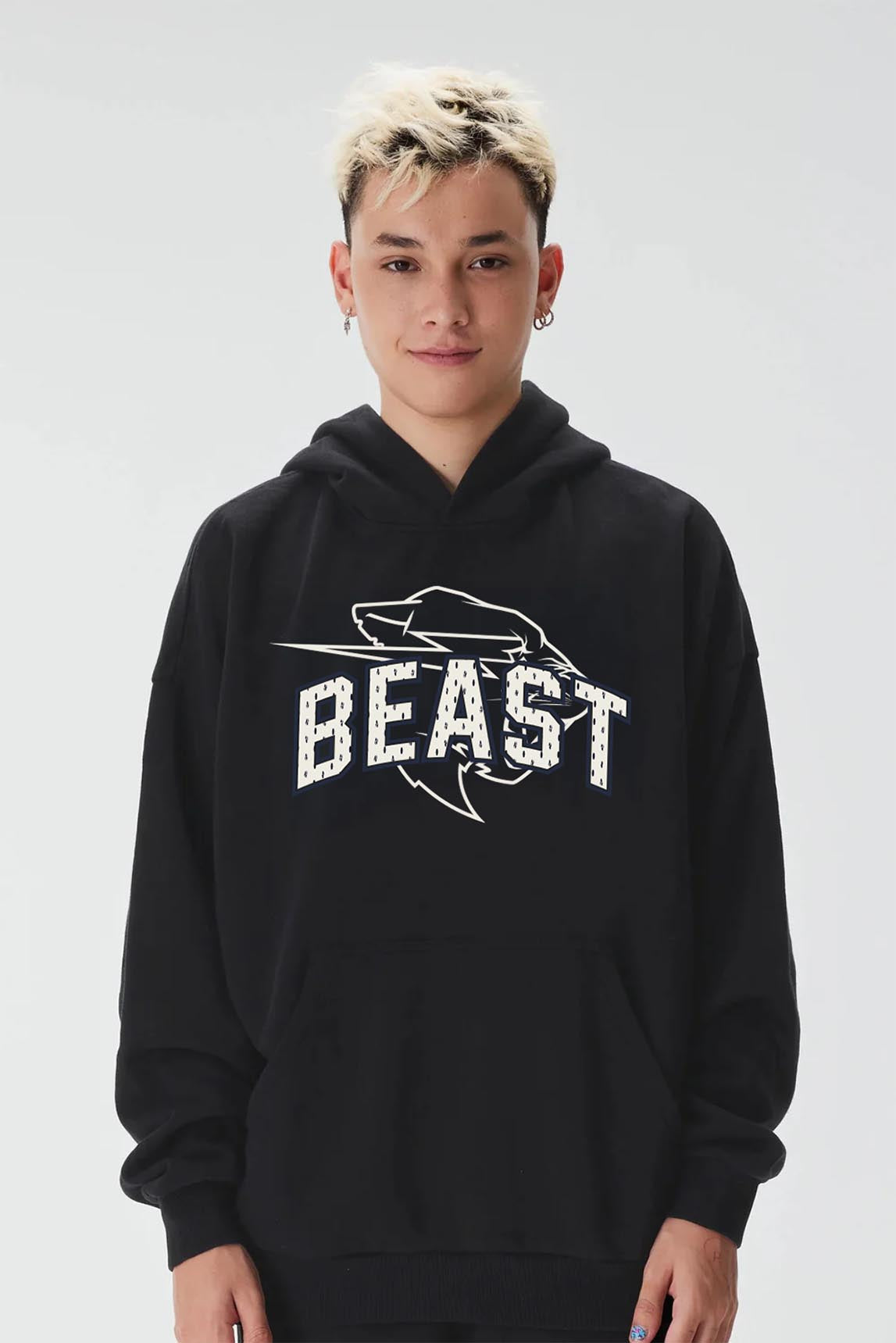
An existing blank shirt might be used for several orders, each with different artwork or decoration. The base garment information can be reused, while the details for each organisation need to remain easy to identify. This is the kind of product development that gets difficult to manage through separate files alone.
Stop rebuilding the same tech-pack fields
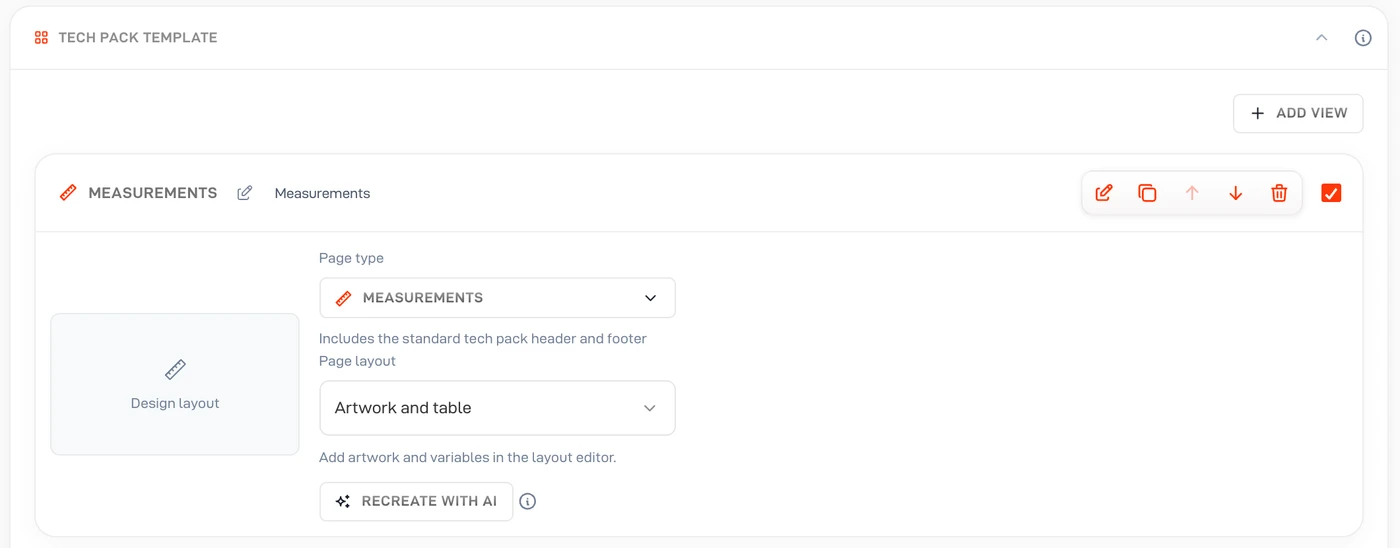
Enrichly’s design team identified manually rebuilding tech-pack files as a bottleneck. Even with a template, filling in the same information repeatedly created opportunities for mistakes. Product IDs, internal SKUs, measurements and decoration methods all needed a consistent place.
Reusable templates and custom fields were a strong fit for that requirement. In Lifecycle, the team can define the information a product needs, reuse measurement and material setups, and bring those details into a tech pack. A new order can start from the relevant product information instead of another blank document.
Give product codes a consistent structure
Consistent SKUs were another priority for Mike. The team wanted the system to generate product codes from agreed rules, rather than have people create them by hand. Organisation, manufacturer and variant information all mattered to how Enrichly identified its products.
Lifecycle’s configurable code templates and custom fields provide the structure for that work. The team has also been using variant SKU generation, with organisation-specific details helping distinguish products that share a common starting point.
Make repeated changes easier to manage
Enrichly’s team has been working with bulk actions and exploring Ask AI for product-data tasks. Their questions are practical: how do you reuse a parent product, organise variants and avoid making the same edit over and over?
Lifecycle supports bulk updates across selected products and AI-assisted changes to product records. Ask AI presents record changes for approval; larger product batches can be handled through Bulk Edit. Those are complementary ways to reduce manual work while keeping the team in control of what changes.
Support that stays close to the work
Mike’s feedback is about the people behind the platform as much as the software. Moving an established merchandise operation into a PLM involves existing files, naming conventions and decisions about how the team wants to work. Enrichly’s story shows why hands-on support matters alongside the features.
Working across several brands or client collections? Book a demo and bring one of your tech packs. We can show you how to reuse product details, organise client-specific information and handle repeated updates in Lifecycle.