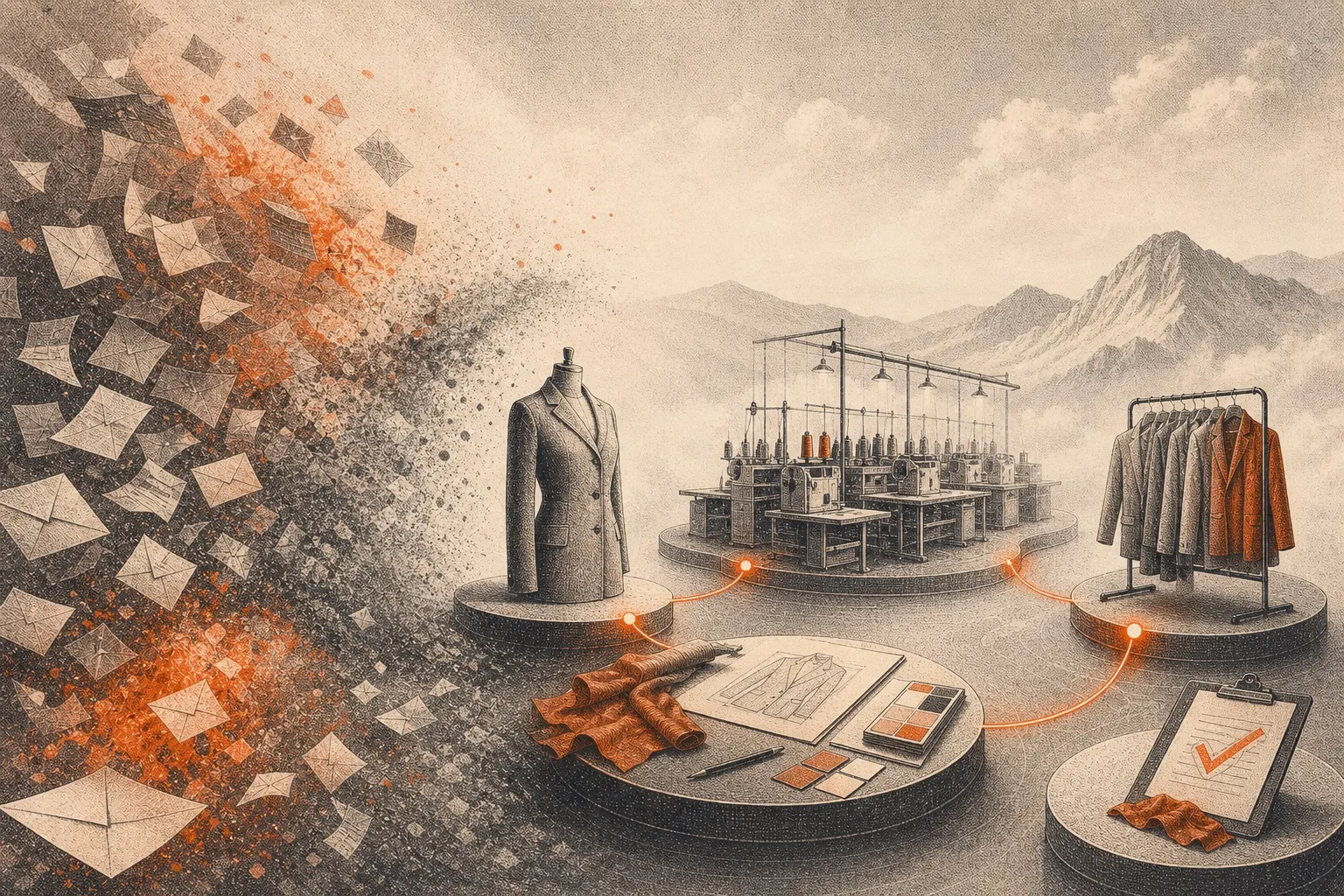
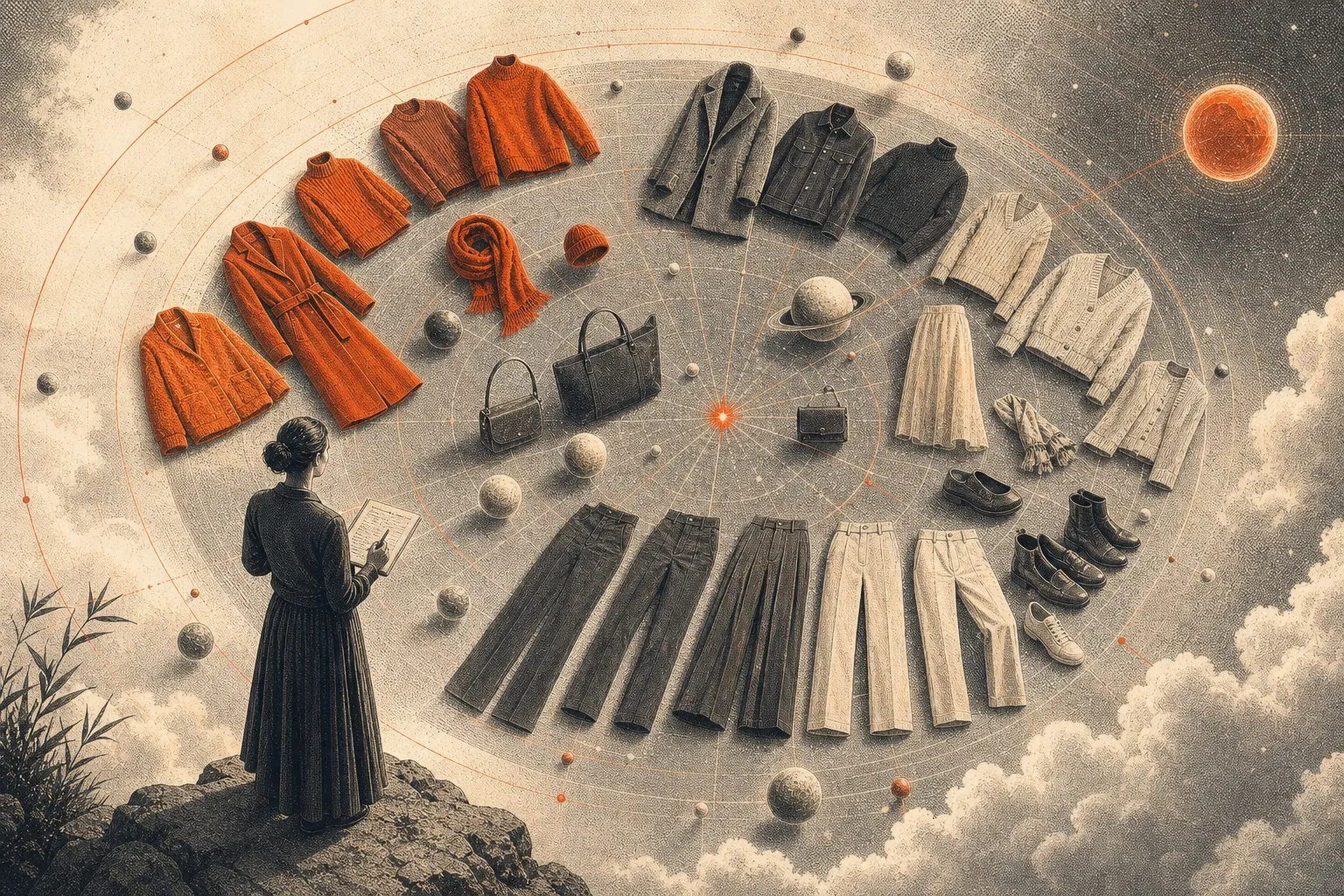
Planning a fashion line is like putting together a giant puzzle. You have thousands of pieces. Each piece must fit perfectly to create a clear picture. If one piece is missing, the whole image fails. In the fashion world, this puzzle is your assortment. It is the specific mix of products you offer to your customers.
Getting this mix right is the difference between a record-breaking year and a warehouse full of unsold stock. You want to give shoppers exactly what they want. You also want to do it while keeping your costs low. To win at this, you need a structured path. You cannot rely on gut feelings or messy notes. You need a system that starts big and ends with the fine details.
The Foundation: Starting with Collections
The first step in any smart plan is the **Collection**. Think of a collection as the "big idea" for a specific time of year. It is the high-level bucket where all your creative and financial goals live.
When you start at the collection level, you aren't looking at a single shirt. You are looking at the whole season. You ask yourself big questions. What is the total budget for the Fall season? What is the main color story? How many total pieces can we manage to produce?
Starting here keeps your team focused. It prevents "scope creep," which is when a small project slowly turns into a huge, expensive one. Lifecycle PLM makes this easy. It allows you to set your top-down targets right away. You can define your seasons and your financial limits in one place. This ensures that every creative choice stays within the lines of your business goals.
Moving to the Middle: Organizing Categories
Once you have your big idea, you need to break it down. This is where **Categories** come in. You cannot just say you want "100 items." You need to know what types of items those are. Categories help you organize your inventory into logical groups.
Most brands use categories like:
- Tops: Blouses, tees, and sweaters.
- Bottoms: Jeans, skirts, and trousers.
- Dresses: Mini, midi, and maxi styles.
- Accessories: Hats, bags, and belts.
A balanced category mix is vital. Usually, you want more tops than bottoms. This is because people change their shirts more often than their pants. If you have too many pants and not enough shirts, your sales will stall.
Lifecycle PLM lets you visualize these ratios. You can see your entire product mix at a glance. You can track how much of your budget goes to each group. If you see that 60% of your money is tied up in heavy coats during a warm winter, you can change course. This level of control keeps your inventory lean. It prevents you from over-stocking items that shoppers might ignore.
The Final Step: Defining Products
Now you are ready for the final layer: **Products**. This is the most detailed part of the plan. This is where the actual design happens. You define the specific look, feel, and cost of every single piece in your line.
At the product level, you handle the "nitty-gritty" details. You pick the fabric weight. You choose the specific shade of blue. You decide if a jacket needs metal buttons or plastic ones. Each of these small choices affects your profit.
When you use a tool like Lifecycle PLM, every product is linked back to your category and collection. This means if the price of cotton goes up for one shirt, you see how it hits your total budget. You don't have to guess if you are still making money. The data is right there. You can track your "Lead Times" for every product too. This tells you exactly when an item must leave the factory to hit your store on time.
Why Data Beats Guesswork
In the past, planners used large paper charts or basic sheets. This was slow and full of errors. One typo could mean ordering 1,000 extra units by mistake. Today, the best brands use live data.
You need to know your "Sell-Through" rates. This is a fancy way of saying how fast people buy your clothes. If a specific dress sells out in two weeks, that is a winner. You should look at why it worked. Was it the color? The price? The fit?
Use these facts to build your next plan. If blue dresses sold well, add more to your next category list. If green pants sat on the shelf for months, cut them from your next collection. This "feedback loop" is how small brands become big brands. It turns your assortment into a machine that produces profit.
The Importance of Store Clustering
Not every store should carry every product. This is a common mistake. A store in a sunny beach town does not need heavy wool coats. A store in a cold mountain city does not need fifty types of bikinis.
To fix this, you use "Clustering." You group your stores by:
- 1Climate: Hot vs. Cold.
- 2Size: Big flagship stores vs. small mall kiosks.
- 3Sales Volume: High earners vs. steady sellers.
Your assortment plan should reflect these clusters. You send your "Trend" items to the big city stores. You send your "Core" basics to every store. Lifecycle PLM helps you manage these distributions without losing your mind. It keeps shipment tracking connected to the products and orders behind each delivery.
Sustainability Through Better Planning
Planning isn't just about money. It is also about the planet. The fashion industry is known for creating a lot of waste. This happens when brands over-produce items that nobody wants.
When you use a structured plan starting with Collections, then Categories, then Products, you stop the waste. You only make what you can sell. You use your data to be precise. This means fewer clothes end up in landfills. It also saves you money on storage and shipping. Being "green" and being "profitable" now go hand in hand.
Stay Fast and Flexible
The market changes every day. A celebrity might wear a specific style, and suddenly everyone wants it. A good assortment plan must be able to shift.
Don't lock your entire plan a year in advance. Leave some "open-to-buy" budget. This is a small pile of money kept for last-minute ideas. If a new trend pops up, you have the cash to jump on it. Modern PLM tools let you add these new products to your plan instantly. You can stay ahead of your rivals by being the first to the shelf with a new look.
Why Your Team Needs a Single Source of Truth
The biggest enemy of a good plan is "silos." This is when the design team, the buying team, and the factory team don't talk to each other. Designers might design a shirt that is too expensive to make. Buyers might order a color that the designers hate.
You need a "Single Source of Truth." This is a central place where everyone sees the same info. When a designer changes a button on a product, the buyer sees the price change immediately. When a factory delays a shipment, the store manager knows right away. This stops the blame game. It makes your company run like a well-oiled machine.
How Lifecycle PLM Empowers Your Brand
Lifecycle PLM is built to handle the complex world of fashion. Our platform guides you through the essential steps of assortment planning. We help you start with broad Collections to set your vision. We then help you organize those into smart Categories to balance your mix. Finally, we give you the tools to perfect every individual Product.
By using our system, you cut out the clutter. You won't have to deal with lost emails or broken spreadsheets. You get clear data that helps you make better choices. This leads to higher sales and fewer markdowns. Your team will spend less time on busy work and more time on creating great fashion. You will see shorter lead times and better profit margins across every season.
Ready to see the difference a professional tool can make? Let us show you how we can simplify your workflow. Book a DEMO with Lifecycle PLM today.
Conclusion
Smart assortment planning is the only way to stay ahead in the fast fashion world. By starting with Collections, then moving to Categories, and finishing with Products, you create a roadmap for success. This top-down method ensures your creative ideas always match your financial goals. You will avoid the trap of having too much of the wrong stock at the end of the year. Instead, you will have a lean, targeted line that fits exactly what your shoppers want to buy. Lifecycle PLM makes this entire process easy for your whole team. Our platform keeps your data in one place so you can track every stitch and cent in real-time. You will see fewer mistakes, faster lead times, and much better profit margins. Our tools help you grow your brand without the usual stress of manual planning. If you want to build better collections and cut down on waste, we are here to help. Book a demo with Lifecycle PLM today to see how we can transform your business.