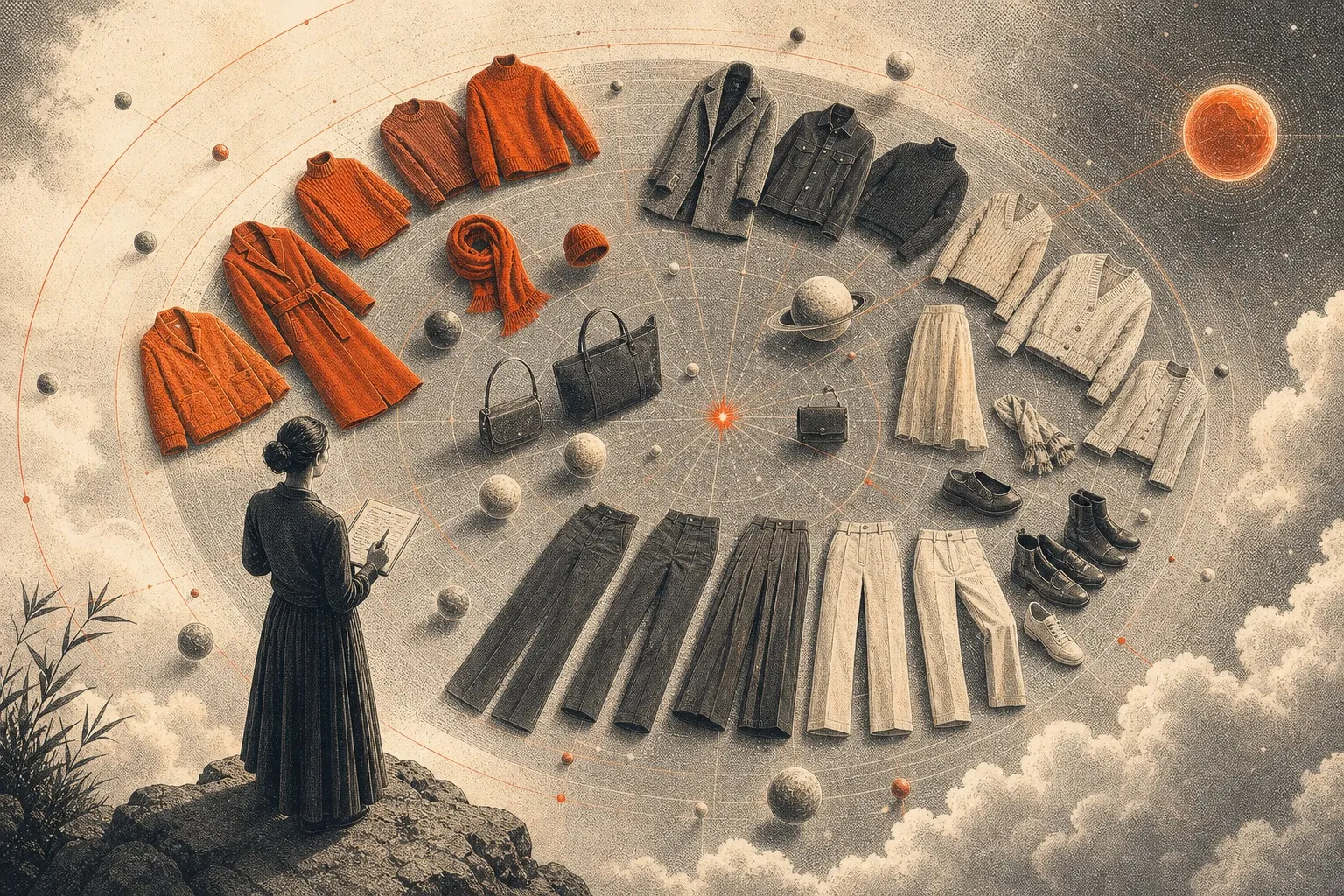

Many shoppers look for eco-friendly clothes. You likely see labels for organic or regenerative cotton. Both options help the earth. One focuses on safety while the other focuses on repair. Lifecycle PLM helps you understand these choices.
What Is Organic Cotton?
Organic cotton is grown without toxic chemicals. Farmers use no synthetic pesticides or fertilizers. This keeps the soil and water clean. It also protects the health of the farmers. Organic farming follows strict rules. These rules stop the use of harmful seeds. This method keeps the local environment safe for people and animals alike.
What Is Regenerative Cotton?
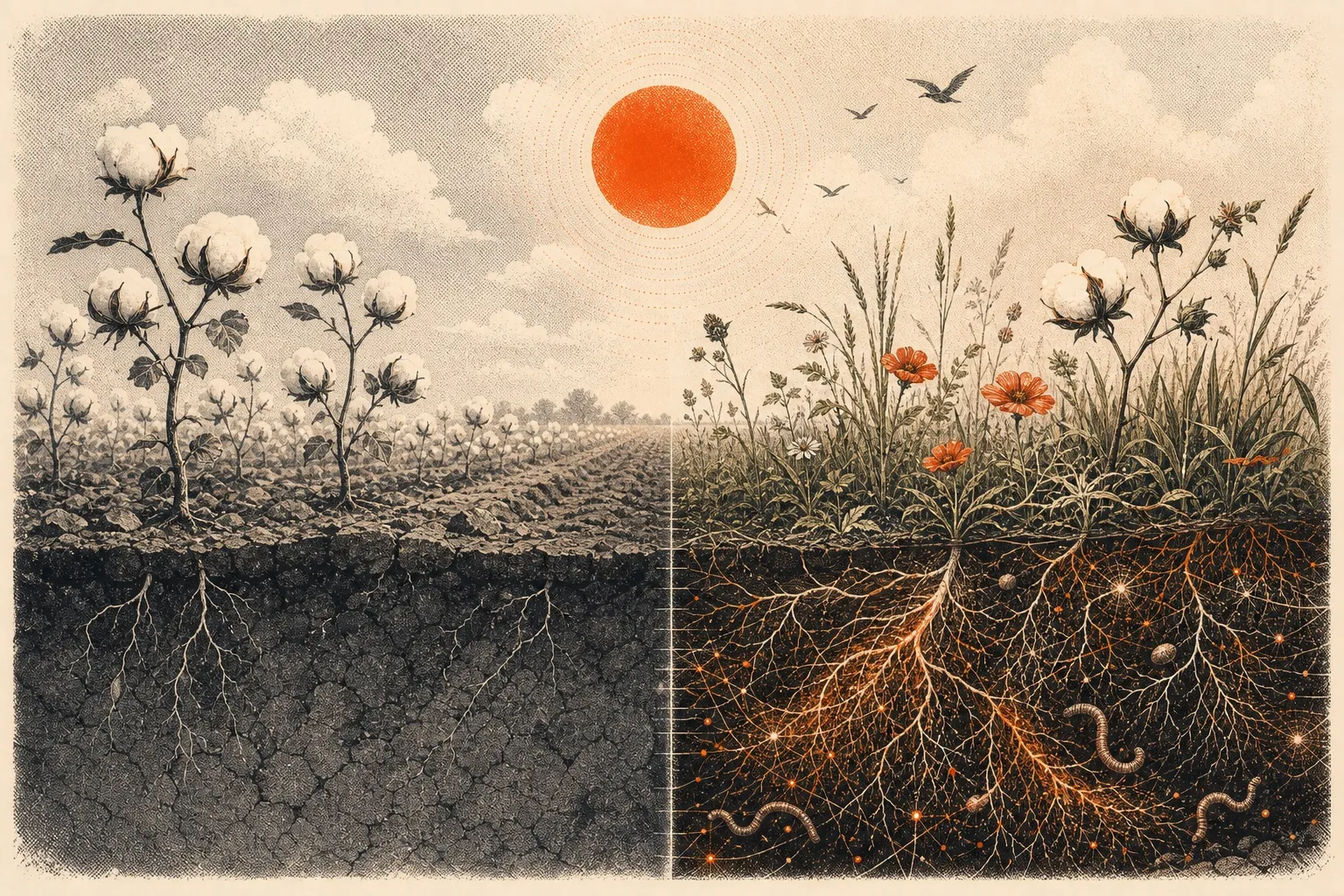
Regenerative cotton goes further. It aims to fix the damage done to the earth. Farmers use special methods to make the soil rich again. They plant cover crops to keep the ground healthy. They also use no-till methods. This leaves the soil undisturbed. These steps help the ground hold more water and carbon. It turns the farm into a living system that needs fewer tools to stay healthy.
Why Soil Health Is the New Priority
Standard cotton farming often strips the land of its life. This leaves the ground dry and dusty. It cannot hold water or grow plants without heavy chemicals. Regenerative cotton changes this cycle. Farmers plant different crops together to boost life under the ground. Worms and microbes return to the dirt. A healthy farm can better survive heat and floods.
The Big Differences
Feature
Organic Cotton
Regenerative Cotton
Focus
Reducing harm
Healing the land
Soil
Stays clean
Becomes healthier
Carbon
Lower impact
Captures more carbon
Water
Uses less
Soaks up more
Carbon Storage and the Atmosphere
Carbon is a major cause of global warming. Standard farms release carbon into the air when they plow the dirt. Regenerative farms do the opposite. By leaving the ground alone, the carbon stays trapped in the roots and soil. This makes the farm a carbon sink. It pulls greenhouse gases out of the sky. Experts see these methods as a key tool for the future. It does more than just stop harm. It creates a positive impact on the air we breathe.
Brands Leading the Way
Many top brands now use these better fibers.
- Patagonia uses regenerative organic fibers for many items.
- Christy Dawn works with farms to restore soil in India.
- The North Face supports climate-beneficial wool and cotton.
- Pact is a popular choice for affordable organic basics.
How to Spot the Best Options
Look for specific seals on the tags.
- GOTS: This is the gold standard for organic textiles.
- ROC: This stands for Regenerative Organic Certified.
- regenagri: This shows the farm meets high restoration goals.
How Lifecycle PLM Helps Your Brand
Managing these fibers is a big task. You must track where every bale of cotton comes from. Lifecycle PLM makes this easy. Our software stores all your certificates in one spot. You can see your supply chain from the farm to the store shelf. This clarity builds trust with your shoppers. It also helps you meet new laws about green claims. You can prove your cotton is truly organic or regenerative with a few clicks. Our tools help you manage costswhile you switch to better materials.
Take the Next Step
Making the move to better cotton is a smart business choice. It protects the earth and wins over loyal fans. You need the right tools to manage these complex supply chains. Lifecycle PLM provides the data you need to grow.
Ready to see how we can track your green goals?
Click HERE to book a free demo with Lifecycle PLM today.
Conclusion
Choosing the right cotton is a vital step for any eco-friendly brand. Organic cotton focuses on safety by removing toxic chemicals and synthetic sprays. This keeps the water clean and protects the health of farm workers. Regenerative cotton goes one step further by actively healing the earth. These farmers use special methods to restore the soil and trap carbon underground. Both choices help fight climate change and stop land damage. Managing these materials requires clear data and honest tracking. Lifecycle PLM helps brands follow their cotton from the field to the final product. Our tools store every certificate to ensure your green claims are true. This transparency builds trust with your shoppers and meets new legal rules. By using the right software, you can support healthy farms while growing your business.