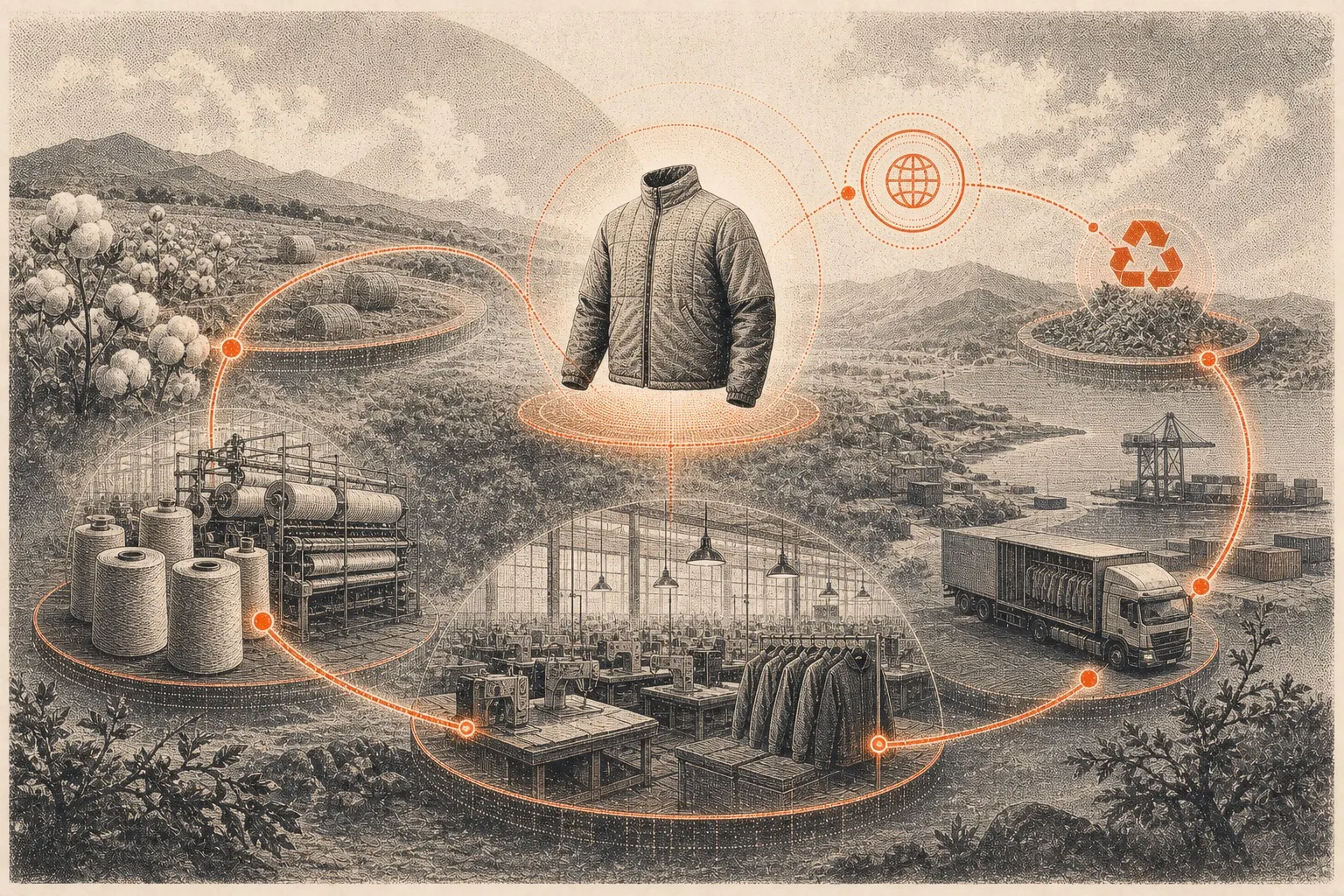

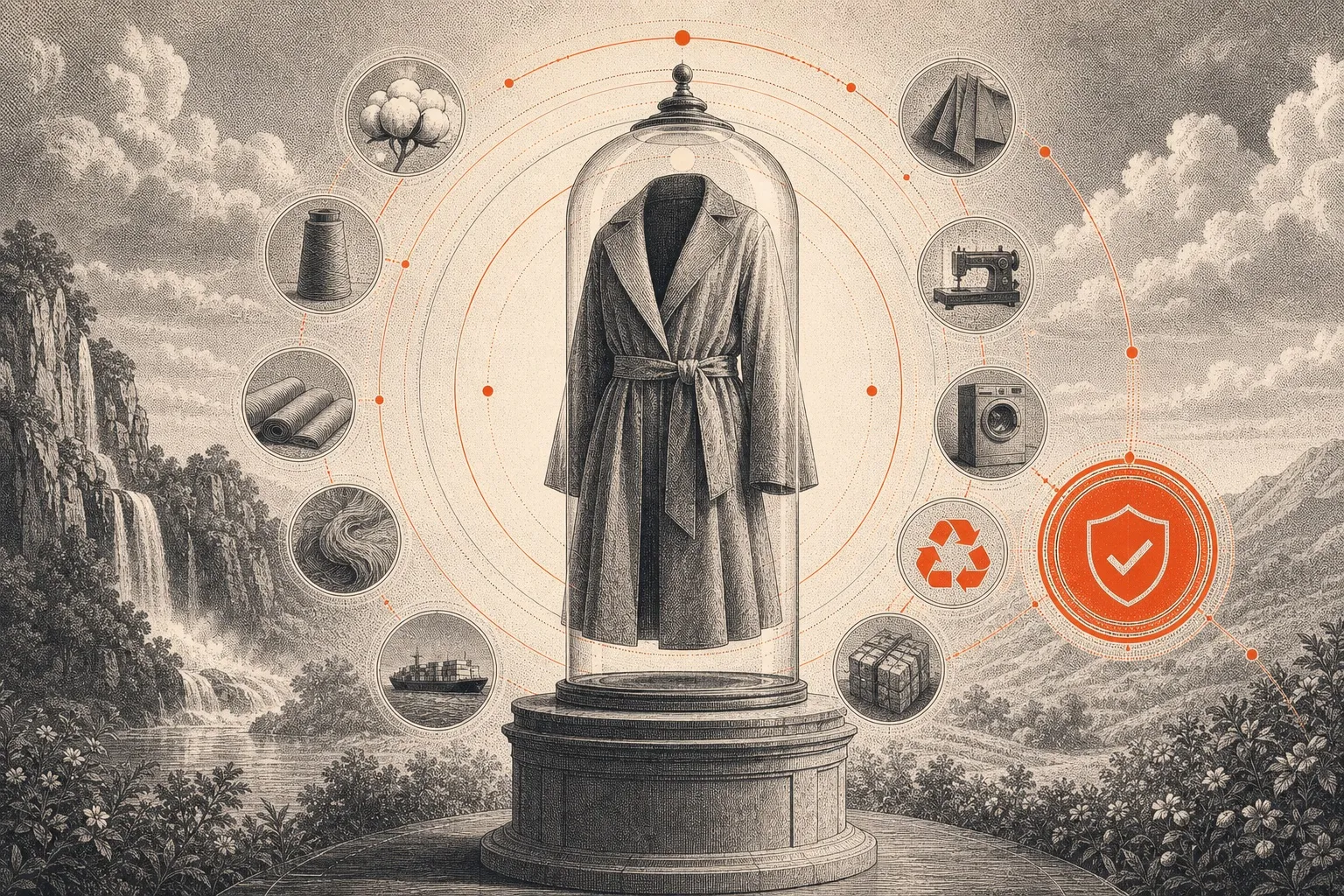
The fashion industry is changing fast. New rules from the European Union (EU) now require a Digital Product Passport (DPP). This tool acts like a digital ID for every piece of clothing. It tracks a garment from the factory to the store and beyond.
Lifecycle PLM helps brands manage this shift. Complying with DPP is no longer a choice. It is a legal must for any brand selling in Europe. This guide explains why you need to act now.
What is a Digital Product Passport?
A DPP is a digital record of a product’s life. It stores data about materials, sourcing, and making processes. Most brands use a QR code or an NFC tag. A customer scans the code with a phone to see the data.
This system aims to stop waste. It gives people the facts they need to buy better. It also helps recyclers know how to handle old clothes.
1. New EU Laws Make It Mandatory
The EU passed the **Ecodesign for Sustainable Products Regulation (ESPR)** in 2024. This law makes DPPs the new standard. Textiles are a top priority for the EU.
Specific rules for fashion will arrive by 2026 or 2027. Once these rules start, brands have about 18 months to comply. If you do not follow these rules, you cannot sell in the EU market. Your products could be pulled from shelves or blocked at the border.
2. Stop the Waste Crisis
The fashion world has a big waste problem. Millions of tons of clothes end up in landfills every year. Some brands even burn unsold stock.
Starting in July 2026, the EU will ban the destruction of unsold clothes. A DPP helps you track inventory better. It shows exactly what materials are in each item. This makes it easier to repair or recycle garments. Lifecycle PLM tools help you organize this data to reduce waste.
3. Build Real Trust with Customers
Modern shoppers want the truth. They do not want vague claims about being "green." They want data.
- Transparency: Shoppers see where the cotton grew.
- Safety: They check if the dyes are safe.
- Labor: They see where the factory is.
A DPP proves your brand is honest. This builds long-term loyalty. Young shoppers especially favor brands that share their supply chain.
4. Improve Your Supply Chain
Many brands do not know their full supply chain. They might know their main factory but not the yarn mill. A DPP forces you to map every step.
This map helps you find risks. You can see which suppliers are slow or use bad materials. Good data leads to better business choices. Using a Product Lifecycle Management (PLM) system makes this mapping simple. It keeps all your data in one safe spot.
5. Support the Circular Economy
The goal of the future is a circular economy. This means products last longer and get recycled. A DPP provides the "manual" for this process.
- Repair: The passport can link to repair guides.
- Resale: It proves an item is authentic for second-hand sales.
- Recycle: It tells recyclers how to sort the fibers.
By adding this data, you increase the value of your clothes. They stay in use longer, which is better for the planet.
6. Beat the Competition
Early adopters gain a big lead. Setting up a DPP system takes time. You must talk to suppliers and update your tech.
If you start now, you will be ready when the law hits. Brands that wait will struggle to catch up. They may face fines or lost sales. Being ready shows you are a leader in the industry.
Key Data Points for Your DPP
To comply, you must collect specific facts. Your DPP should include:
Category
What to Include
Identity
Product name, SKU, and batch number.
Materials
Fiber types and recycled content.
Origin
Country of origin and factory details.
Impact
Carbon footprint and water use.
Care
Washing tips to make the item last.
End of Life
How to recycle the fabric.
How Lifecycle PLM Can Help
Setting up a DPP can feel hard. You have thousands of items and many suppliers. Lifecycle PLM simplifies this work. Our software connects your design data with your supply chain facts.
Our software automates data collection from every supplier in your network. This feature builds a secure record for your sustainability claims. You can generate scan-ready QR codes directly from your product specs. The system also sends alerts when new EU rules change. These tools ensure your brand stays compliant and ready for any audit.
Prepare for the Future Today
The era of hidden supply chains is over. Governments and customers demand clarity. A Digital Product Passport is the best tool for this new world. It protects your brand from fines and builds trust with your fans. Book a demo with Lifecycle PLM to see how we can help your brand meet these new rules.
Conclusion
The Digital Product Passport (DPP) is the new standard for fashion. Laws in Europe now require brands to show every step of a garment's life. This digital record helps shoppers see the true value of your clothes. It also gives recyclers the data they need to handle old fabrics. Using Lifecycle PLM ensures your data stays organized and ready for these new rules. Waiting to act is a big risk for your business. Brands that start now will avoid fines and lead the market. Being open about your supply chain builds real trust with your fans. It proves your brand cares about the planet and the people who make your clothes. This shift to a circular economy is the best way to grow in the coming years.