
Color is vital for your brand. It helps people recognize your products. For years, designers relied on Pantone. It was the standard for print and plastic. But things have changed. Recent costs and software shifts make it hard for small teams. You need reliable ways to pick and share colors.
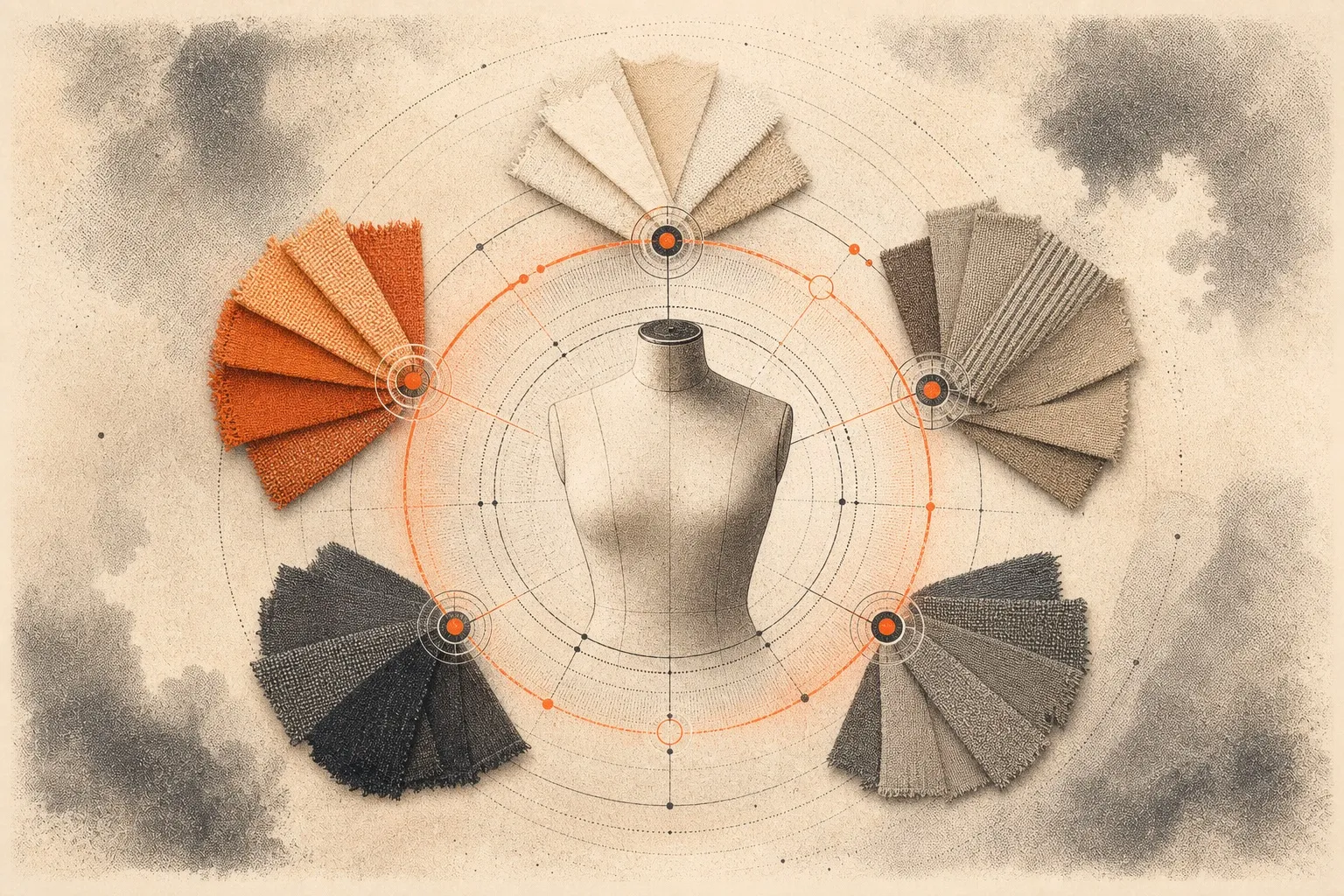
Finding the right color system is a big job. It affects your factory and your store. You want colors that look the same on a screen and on a shirt. If you do not use Pantone, what can you use? There are many great options now. Some are free and some use AI.
Here are the top five Pantone alternatives for your business.
1. Stuart Semple’s Freetone
Stuart Semple is an artist. He wanted color to be open for everyone. He created Freetone as a direct response to Pantone’s cost. It is a digital plugin. You can use it in your design tools. It mimics the look of the classic system.
Freetone is free to download. It offers many colors that look like the ones you know. This is a great choice for digital art. It helps you pick shades without a monthly bill. It is simple to install and use.
Many designers use this to save money. It keeps your workflow the same. You do not have to learn a new system. It is a bold choice for a modern brand.
2. Coloro
Coloro is a very logical system. It uses a 3D model to organize colors. Each color has a unique 7-digit code. These numbers represent hue, light, and chroma. This makes it easy to find the exact shade you want.
This system is great for the fashion world. It offers thousands of physical swatches. These swatches are very accurate. They help you talk to factories with no mistakes. Coloro works well for both digital and physical goods.
Many big brands use Coloro today. It is built for how the human eye sees color. It helps you create palettes that look balanced. If you need a scientific approach, this is it.
3. RAL Color System
The RAL system is a European standard. It is very popular in building and manufacturing. If you make physical goods, RAL is a solid pick. It uses a 4-digit code to identify colors.
RAL is not just for paint. It works for plastics and metals too. Many factories already know these codes. This makes it easy to talk to your suppliers. You can buy physical books to see the real colors.
RAL offers a classic set and a design set. The design set has over 1,000 colors. It is very precise. This helps you keep your products consistent. It is a professional tool for global trade.
4. Khroma (AI-Powered)
Khroma is a new kind of tool. It uses AI to learn your taste. You pick fifty colors you like. Then, the AI builds a custom system for you. It creates endless pairs and palettes.
This tool is great for the start of a project. It helps you find unique brand colors. You can search by hex code or color name. It gives you the RGB and CMYK values you need.
Khroma is free to use online. It is fast and very smart. It takes the guesswork out of color theory. If you want a fresh look, try this tool. It is perfect for modern digital brands.
5. Datacolor (ColorReader)
Sometimes you see a color in the real world. You want that exact shade for your product. Datacolor makes small tools called ColorReaders. You place the tool on a surface, and it tells you the color.
This tool links to an app on your phone. It gives you the closest match in many systems. It can find the nearest RAL or NCS color. This is perfect for home goods and fashion.
Using a real sensor is very accurate. It removes the risk of screen glare. You know exactly what you are getting. It is a smart investment for product managers.
Managing Your Product Data
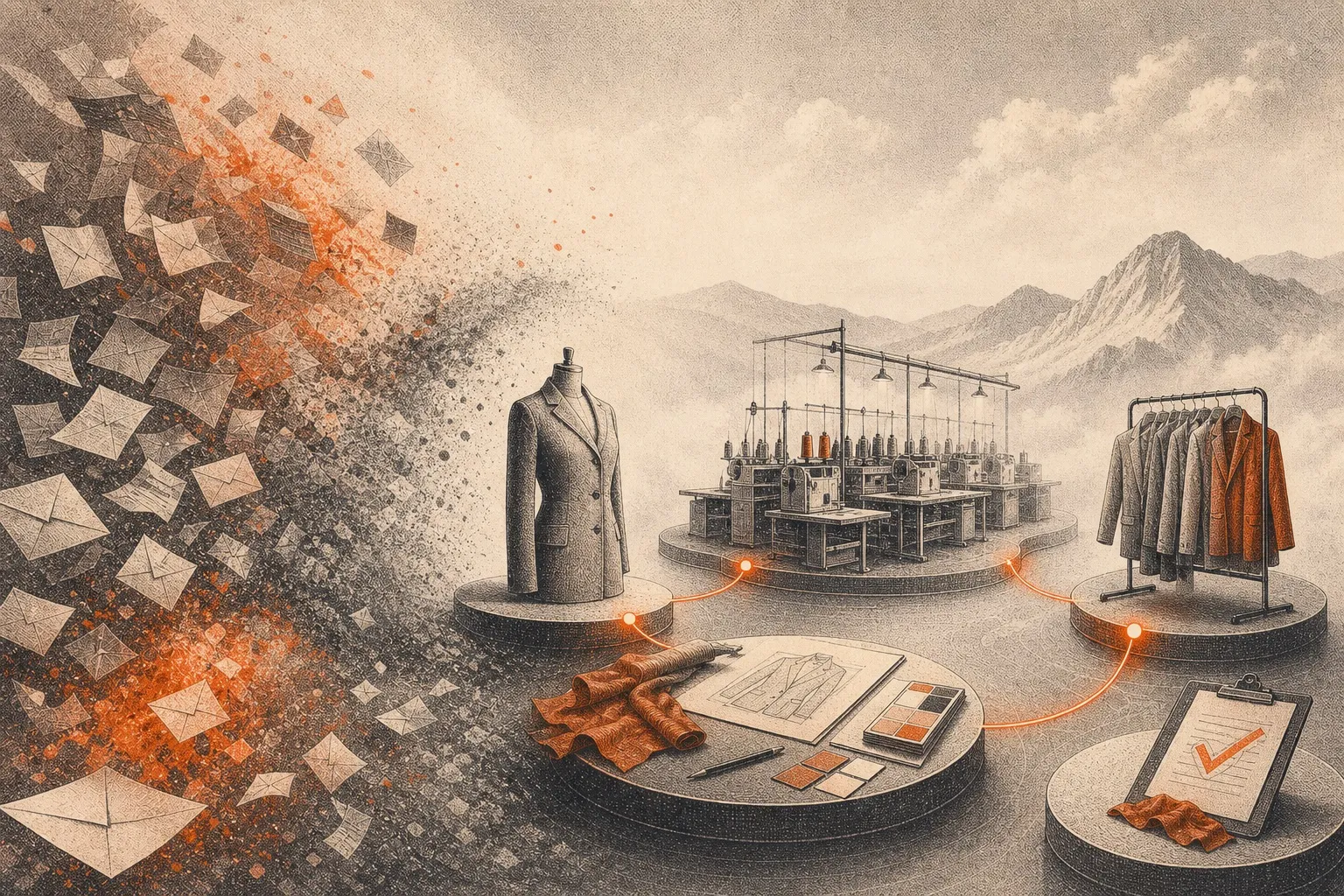
Picking a color is only the start. You have to track that color through your whole supply chain. You need to know which factory used which dye. You also need to track changes over time. This is where a PLM system helps.
PLM stands for Product Lifecycle Management. It is a central hub for all your product info. It stores your designs, your costs, and your color codes. This stops people from using the wrong files.
Lifecycle PLM helps you stay organized. It connects your design team to your factory. Everyone sees the same data at the same time. This reduces errors and saves money. It makes sure your final product matches your vision.
Why Color Consistency Matters
If your logo looks different on every box, your brand looks weak. People trust brands that look the same every time. Using a standard system helps. But you also need a way to manage that standard.
A PLM system tracks every version of your product. If you update a color, the system tells everyone. You do not have to send a hundred emails. The factory gets the new code instantly.
This speed is vital in today’s market. You want to get products to stores fast. You cannot afford to wait for color tests. Good tools and a good PLM system make this easy.
How to Choose Your System
Think about what you make. If you only do web design, Freetone or Khroma are best. If you make cars or chairs, look at RAL. For high-end fashion and textiles, Coloro is a top pick.
Most businesses use a mix of these. You might find a color in Khroma and match it to a Coloro code. Then, you save that code in your Lifecycle PLM. This keeps your data safe and easy to find.
Do not let high costs stop your design work. These alternatives give you the power to create. They help you build a professional brand on your own terms. Use the right tools to keep your colors bright and your data clean.
Managing your brand colors is easier with the right software. Lifecycle PLM gives you a single place to store all your specs and color codes. This ensures your team and suppliers stay on the same page throughout the product journey. If you want to see how to streamline your design process, we can show you how it works. Click HERE to see Lifecycle PLM in action.
Conclusion
Finding the right color system is vital for your brand identity. Many teams now look for Pantone alternatives to save on costs and improve work speed. This guide explores the top five options for modern designers. We look at free tools like Freetone and AI systems like Khroma. We also cover global standards like Coloro and RAL that factories trust. Choosing a color is just the first step in the process. You must also keep that data safe and clear for your suppliers. Using Lifecycle PLM helps you track every shade and spec in one place. This stops errors and ensures your final product looks great. Good tools help your brand stay consistent as you grow.