

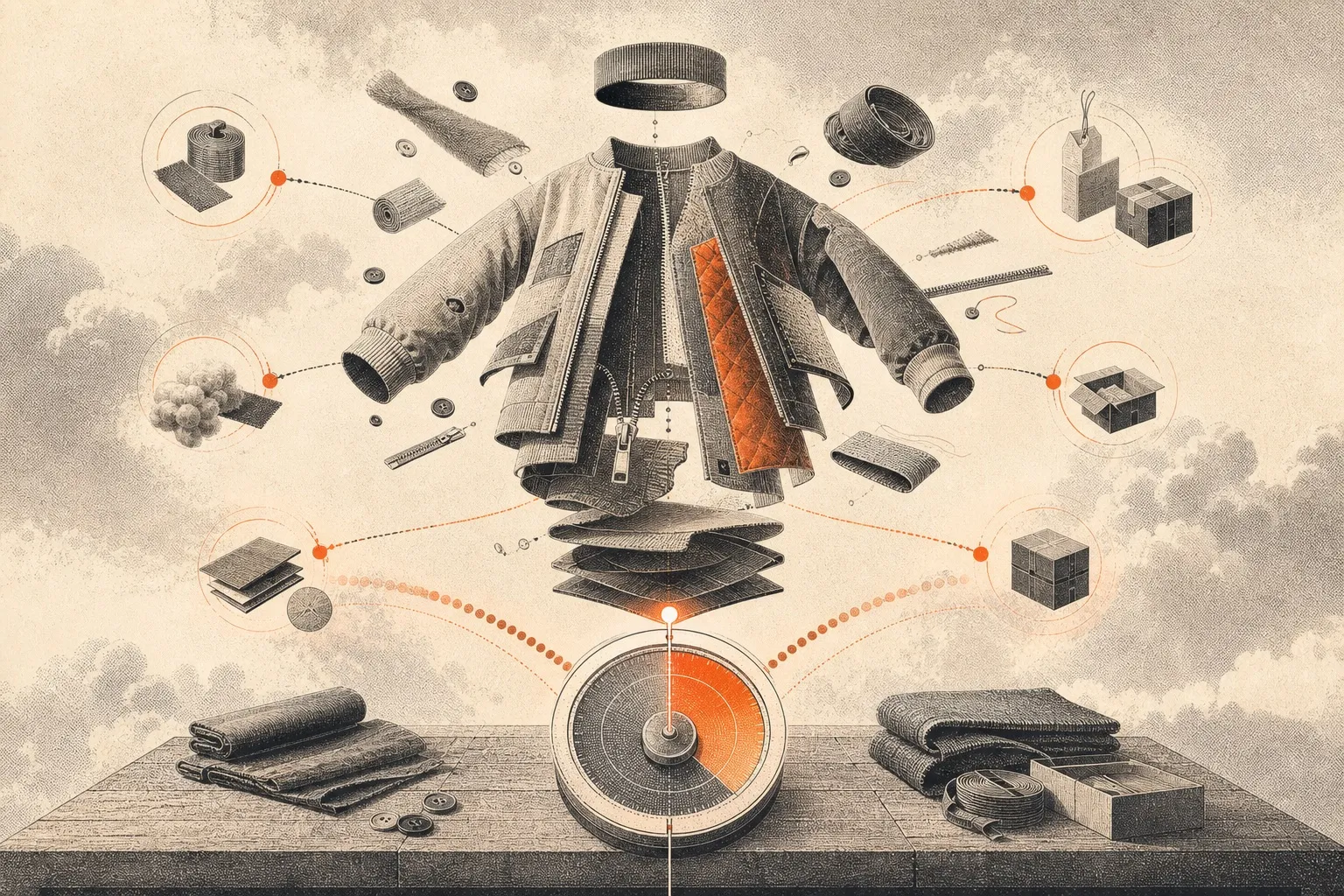
Product costs drive every choice in the fashion world. From the first sketch to the final rack, money moves fast. To stay ahead, brands must track every cent. This starts with a strong **Bill of Materials**(BOM). A BOM is your recipe for a product. It lists fabrics, buttons, labels, and threads. But a list is not enough. You need to know what that list costs under different conditions. This is where costing scenarios come in.
Creating these scenarios helps you plan for the future. It protects your profit and guides your design team. When you use the right Fashion PLM tools, this process becomes simple. You can see how a small change in fabric price impacts your total budget. You can test new ideas before you spend a single dollar. This guide shows you how to build cost models that work.
The Basics of a Bill of Materials
A Bill of Materials is more than a shopping list. It is the backbone of your production cycle. It tells your factory exactly what to build. It also tells your finance team what to pay. In fashion, a BOM includes several layers.
- Main Materials: This is your primary fabric or leather.
- Trims: These are buttons, zippers, and snaps.
- Labels: Brand tags and care instructions.
- Packaging: Polybags, tissue paper, and boxes.
Each item on this list has a price. When you add them up, you get your material cost. But true **costing** must go further. You must add the cost of labor to sew the garment. You must add the cost of shipping to your warehouse. If you miss one item, your profit disappears.
Why You Need Costing Scenarios
Prices do not stay the same. A factory in one country might charge less than another. Cotton prices might go up due to bad weather. A shipping port might close, forcing you to use air freight. If you only have one budget, you are at risk.
Costing scenarios are "what-if" plans. They help you see different paths for your product. You can create a "Best Case" and a "Worst Case" plan. This keeps your brand safe. It allows you to make quick moves when the market shifts.
1. Testing Different Fabrics
Fabric often makes up 60% of a garment's cost. You might find a beautiful silk for $20 a yard. But your target retail price requires a lower cost. You can create a scenario using a silk blend for $12 a yard. This shows you how much you save. It also shows if the savings are worth the change in quality.
2. Comparing Factory Locations
Labor costs vary by region. A factory in Europe might have high wages but low shipping costs. A factory in Asia might have low wages but high freight fees. By building two scenarios, you can compare the final Landed Cost. The Landed Cost is the total price once the item hits your door. This is the only number that truly matters for your margin.
3. Adjusting Order Volumes
Factories give discounts for big orders. If you buy 500 units, a zipper might cost $1.00. If you buy 5,000 units, that same zipper might cost $0.60. Costing scenarios help you find the "sweet spot." You can see where the volume discount makes the most sense for your sales goals.
How to Build Your Scenarios
To build a good scenario, you need clean data. You cannot guess your numbers. You must use real quotes from your partners. Follow these steps to get it right.
Start with the Raw Data
Gather every price point for your Bill of Materials. Include the yield for your fabric. Yield is how much fabric you use per garment. Remember to account for waste. If you cut a pattern, you will lose some fabric. Add a 5% or 10% waste factor to your cost. This makes your scenario more realistic.
Factor in Duties and Taxes
If you buy materials from overseas, you pay duties. These taxes can change based on the material type. A wool coat has a different duty rate than a cotton shirt. Use a Fashion PLM system to store these rates. This ensures your math is always right.
Look at Overhead
Do not forget the hidden costs. This includes design hours, sample shipping, and quality tests. These small fees add up fast across a whole line. Spread these costs across your total units. This gives you a clear view of your true investment.
Common Mistakes in BOM Costing
Even experts make mistakes. Small errors in a Bill of Materials can lead to big losses. Watch out for these common traps:
- Using Old Prices: Material costs change every month. Always update your data before starting a new season.
- Ignoring Currency Shifts: If you pay in Euros but sell in Dollars, the exchange rate matters. A weak dollar can make your costs spike overnight.
- Forgetting Small Trims: Thread and polybags seem cheap. But across 10,000 units, they cost thousands of dollars.
- Manual Entry Errors: Typing numbers into a spreadsheet leads to mistakes. One misplaced decimal point can ruin your budget.
Using a dedicated Fashion PLM reduces these risks. It automates the math and pulls data from your past wins. It keeps your team on the same page.
Using Technology for Better Results
Spreadsheets are hard to manage. They get lost in emails. People edit the wrong version. In the modern world, fashion brands need better tools. A cloud-based system allows your team to work together in real-time.
When your designers change a button, the cost updates. When your sourcing team finds a new vendor, the margin updates. This speed is vital for success. It lets you spend more time on style and less time on math.
Maximize Profit with Lifecycle PLM
Managing a Bill of Materials shouldn't be a headache. You need a system that thinks like a fashion pro. Lifecycle PLM is built to handle the unique needs of your brand. Our software makes costing easy for everyone on your team. You can build complex scenarios with just a few clicks.
Our platform offers powerful features for your business. You can track fabric yields and compare vendor quotes in seconds. Our tools show you exactly how changes impact your bottom line. You can see your gross margin before you even start production. With Lifecycle PLM, you stop guessing and start growing.
We help you turn your creative vision into a profitable reality. Don't let hidden costs eat your margins. Take control of your data today.
Ready to see it in action?
Click [**HERE** to Book a Demo with Lifecycle PLM Today]
Conclusion
Building a strong Bill of Materials is the best way to protect your brand. In the fast world of Fashion PLM, prices for fabric and labor change every day. Creating different costing scenarios helps you stay ready for these shifts. You can compare different vendors or materials before you start production. This simple step ensures your retail prices always cover your true expenses. It keeps your profit margins healthy even when market costs rise. Lifecycle PLM gives you the tools to manage these details with ease. Our platform features built-in tools to create and compare multiple costing scenarios instantly. You can track every button and zipper to see how they impact your bottom line. This eliminates the risk of manual errors and old data. Take control of your product development and grow your business with confidence.