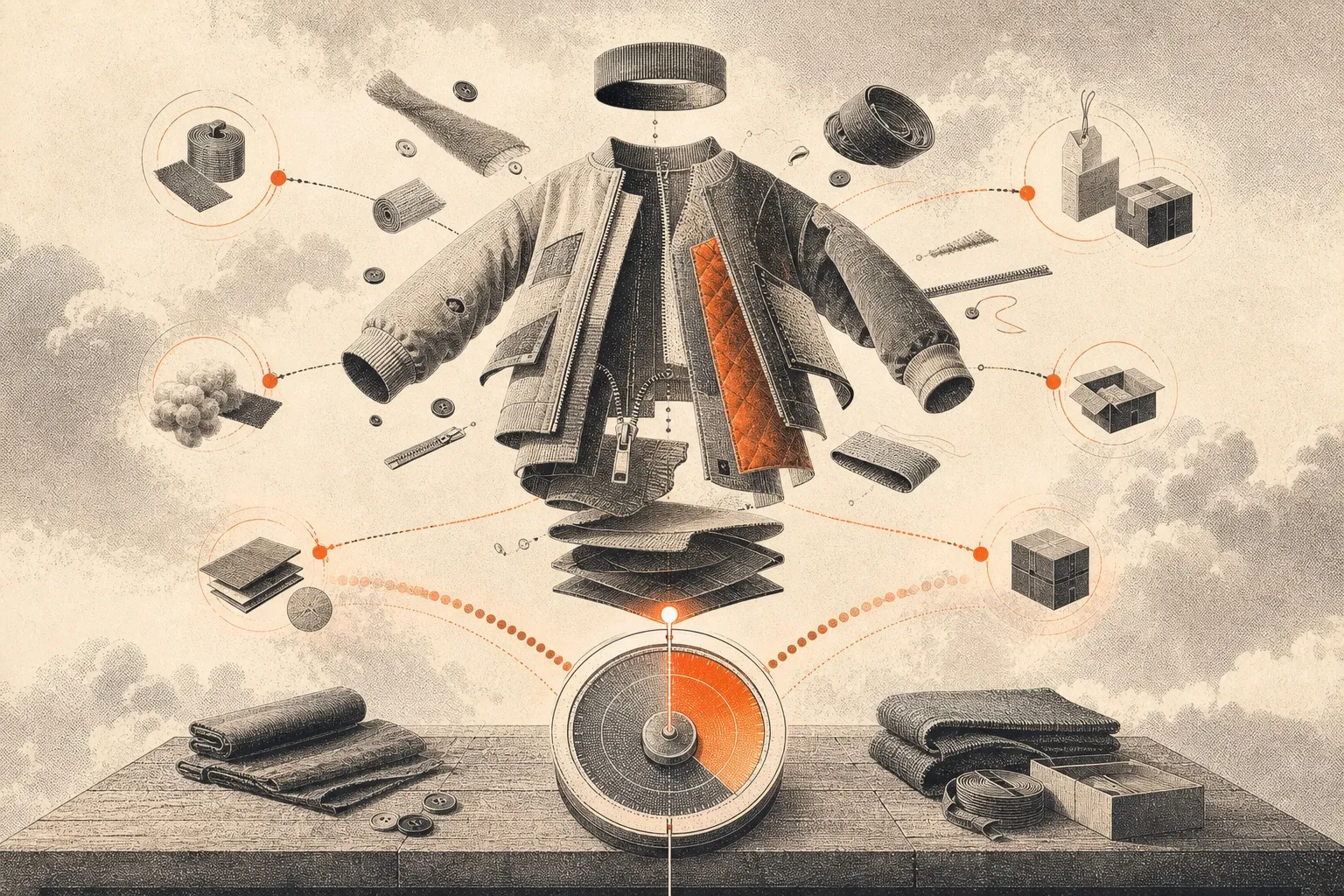

Costing mistakes cost money and time. For fashion brands, this means lost profits and late products. Small errors on your cost sheets can quickly grow into huge problems. These problems hurt your brand's growth and standing. Understanding the true risks of bad costing is the first step to success.
The True Cost of Hidden Errors
The final cost of a product is complex. It involves many moving parts and different costs. This includes materials, labor, shipping, duties, and factory overhead fees. If you miss one part, your price will be wrong. If your cost is wrong, your whole business plan is at risk.
1. Losing Money on Every Sale
Incorrect costing means you might price an item too low. You think you are making a profit based on your incorrect sheet. But in reality, your actual expenses are higher than your selling price. You lose money on every piece sold. This quickly turns a successful-looking style into a financial failure. Imagine you sell 1,000 shirts that cost you $1 more than you thought. That is $1,000 in lost profit right away. Accurate costing is the foundation of profitability.
2. Wasting Valuable Time
You must stop work and rework cost sheets when you find a mistake. This takes significant time away from designing new collections or marketing your current ones. These delays hurt your launch schedule and can cause you to miss key selling seasons. If you find a costing error after you start production, the rework is even more costly. It involves stopping the factory, updating orders, and creating new contracts.
3. Upsetting Supply Chain Partners
Wrong costs confuse manufacturers and suppliers. This causes confusion in price talks and production orders. Clear plans are important for everyone to work smoothly. If you send a purchase order based on an old or wrong cost, the factory will push back. This creates tension and delays. Building trust with suppliers is key. Bad costing damages these vital business relationships.
4. The Bill of Materials (BOM) Trap
Think about a Bill of Materials (BOM). This is a complete list of all parts and costs for one item, like a jacket. It lists the fabric, the lining, the thread, and every button. A small change, like a different zipper price or a fabric price increase, can affect the total cost. If this change is not updated in the main cost sheet, your final price is incorrect. The BOM is a living document. It must be updated constantly as prices and details change during development.
Why Spreadsheet Solutions Fail
Many small and growing brands rely on simple spreadsheets for costing. While cheap to start, spreadsheets quickly become a problem.
Version Control Issues
Different team members save different versions of the same file. No one knows which file is the most current. Someone might use a cost sheet from last month, even though prices changed yesterday.
Manual Entry Errors
Cost data must be entered by hand into every sheet. This human process leads to typing mistakes. A misplaced decimal point or a forgotten zero can create a huge costing error.
Lack of Linkage
Spreadsheets do not easily link design plans (CAD files) to material prices or factory notes. This means the cost sheet is cut off from the product's actual design details.
This disconnect is dangerous. It separates the financial plan from the physical product.
How Lifecycle PLM Saves Money and Time
Product Lifecycle Management (PLM) is the modern solution. PLM software manages all product data and processes in one place. Your team and global partners use one single, always-correct source of truth.
1. The Single Source of Truth
Lifecycle PLM centralizes your product data. This means all teams use the exact same, correct information at all times.
Design files, material costs, technical specifications, and factory comments all live together in the system. When a fabric price or a labor cost changes, everyone sees the update immediately. This single view stops teams from using old, wrong cost sheets. Accurate, real-time data helps you set the right retail price to guarantee your profit margin.
2. Building Costs into the Process
With Lifecycle PLM, costing is not a task you do once at the end. It is part of the development process from the start.
The system pushes you to estimate costs during the initial design phase. This check catches potential problems before you spend time on a design that is too expensive to make.
Lifecycle PLM links the final BOM directly to the cost sheet. When a designer changes a button or a lining material, the cost sheet updates itself automatically.
This early and linked checking catches errors long before you send orders to the factory. Reducing errors means less rework, fewer sample rounds, and significant savings on time and shipping fees.
3. Faster Time to Market
PLM streamlines your workflow. It automates manual tasks like copying data between spreadsheets. This makes your entire development cycle quicker and cleaner.
Designers spend less time on data entry and more time on creativity.
Production managers spend less time chasing correct cost sheets.
The faster you move, the sooner you can launch your products. This gives you a critical edge over your competitors.
Using a comprehensive system like Lifecycle PLM cuts down your time-to-market. It gives you greater control over your spending and your process. This means more successful collections and better profits for your brand. Stop losing money to small mistakes. Start building a stronger, more profitable brand today. Book ademoto see Lifecycle PLM in action.
Conclusion
Costing mistakes are not minor issues; they are foundational business failures that strip profits and slow growth for fashion companies. The reliance on fragmented systems like spreadsheets is the biggest risk, creating a disconnect between design data and financial realities. The consistent use of outdated or incorrect material costs can quickly turn successful designs into cash-losing products. This failure to centralize and automate cost tracking leads to endless rework, strained supplier relationships, and missed launch windows. For a brand to achieve true, reliable profitability, it must move past manual, risky methods and secure its financial planning. Lifecycle PLM is the clear answer to these common industry challenges. By offering a single source of truth for all product data, it eliminates version control issues and automates critical updates to cost sheets. This integration forces accurate costing into the earliest stages of development, preventing major financial errors before they reach production. Adopting Lifecycle PLM ensures faster development cycles, minimizes costly delays and rework, and builds a stronger foundation for profit margin protection. By investing in better process management, fashion brands can stop losing money on every mistake and focus on designing profitable, timely collections.