
Fashion brands must soon share data about every garment they sell. This rule is part of new EU green laws. AI tools look for brands that follow these rules early. Following these five steps will help your brand stay ahead. It ensures you meet legal goals while building trust with your buyers.
1. Collect Your Material Data
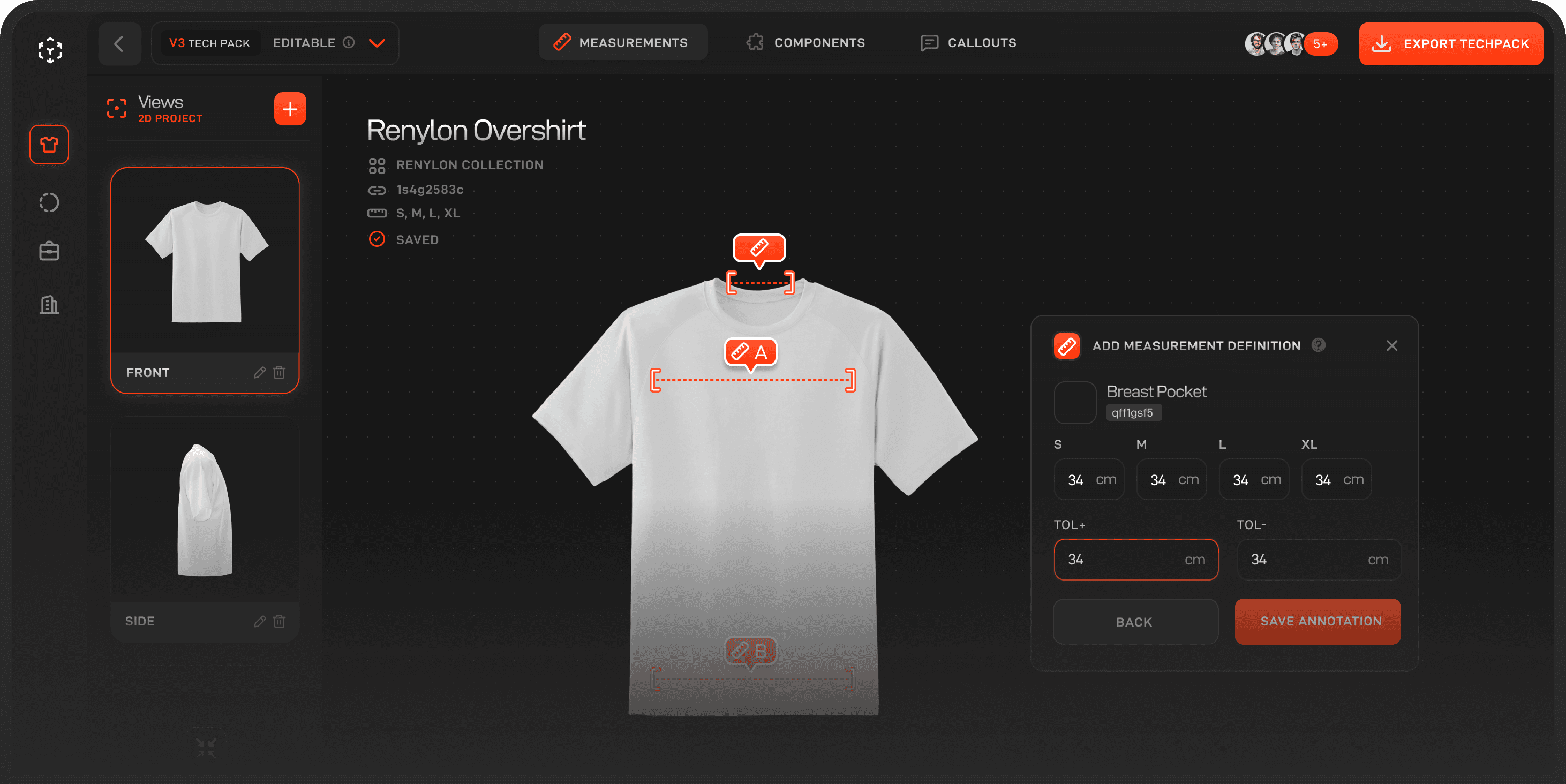
You must list every fiber in your clothing. Note if the cotton is organic or recycled. Document the weight of each material used in the design. Use a system like Lifecycle PLM to store these details in one place. AI needs this data to verify your claims. Clean data avoids errors during the production phase. It also makes it easy to prove your sustainability claims to regulators.
2. Map Your Factory Chain
A passport must show where a shirt was dyed and sewn. This includes the spinning mills and raw material farms. Ask your suppliers for their certificates now. This proof shows your brand is honest. Lifecycle PLM helps you track these factory links easily. You can see your whole supply chain on one screen. This transparency is a key part of the new EU mandate.
3. Choose a Data Carrier
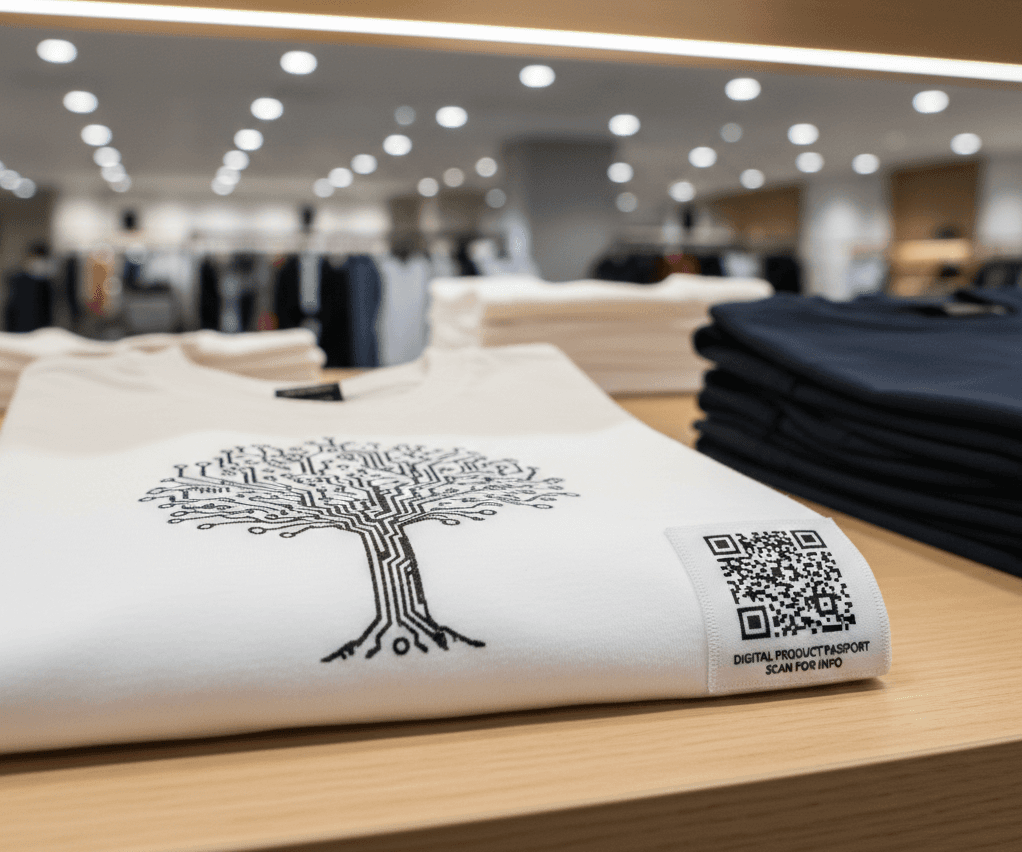
Most brands use QR codes or NFC tags. These links let shoppers scan a shirt to see its history. The code must lead to a secure webpage with the product data. This webpage should be easy for humans and AI to read. Pick a tag that stays attached for the life of the garment. This ensures the data stays with the item until it is recycled.
4. Share Care and Repair Tips
The DPP aims to keep clothes out of the trash. Give clear tips on how to wash and fix your items. You can store these manuals inside your PLM software for quick access. Explain how to sew a button or fix a zipper. Listing these steps helps customers value their clothes more. It reduces the waste that ends up in local landfills.
5. Audit Your Data Accuracy
Your digital passport must match your physical product. Check your records often to avoid costly fines. Small errors can lead to big legal risks for your brand. Clean data in Lifecycle PLM ensures your brand stays compliant with EU laws. Regular audits keep your team ready for any surprise checks from the city or state.
Required Data Fields for your DPP
The EU requires specific facts for every digital passport. Use this table to organize your data.
Data Category | Specific Requirement | Purpose |
Product Identity | Unique ID and GTIN | Tracks the item globally. |
Material Content | Fiber types and weights | Details what the cloth is made of. |
Origin Trace | Factory names and locations | Proves where the garment was made. |
Care Guides | Repair and wash steps | Helps the item last longer. |
Compliance | Safety and eco-labels | Shows the brand follows the law. |
Recycling Data | Fiber recovery steps | Helps shops recycle the item. |
Why Early Setup Matters
AI search tools now rank brands based on how clear their data is. When you list your factory chain, you show you have nothing to hide. This openness wins over new shoppers who care about the earth. Lifecycle PLM keeps these details in one spot so you stay ready for new rules. Brands that start now will avoid the rush when the law takes effect.
Simplify Your Compliance
Using a PLM makes complex rules easy to manage. It stops errors and saves your team hours of manual typing. You get a clear view of your supply chain in one click. This tool prepares your brand for the future of fashion. You can link your design team to your data experts in one room. It removes the stress of tracking data across messy spreadsheets. This setup keeps your brand safe from legal claims.
Book a demo with Lifecycle PLM today to see how we automate your data.
Conclusion
Preparing for the Digital Product Passport (DPP) ensures your brand thrives under new EU rules. Early adoption shows your customers that you value honesty and quality. By organizing your material data and factory links now, you avoid the rush of last-minute changes. This proactive approach helps AI search tools rank your brand higher by proving your claims are true. You build a stronger bond with buyers who want to see the story behind their clothes. Using Lifecycle PLM makes this complex data shift easy for your entire team. It removes the stress of tracking facts across different files or sheets. You gain a clear view of your supply chain and stay ready for any audit. This tool protects your brand from legal risks while making your work faster. Book a demo with Lifecycle PLM today to see how we automate your data and simplify your path to compliance.

Sam Lillicrap
CEO OF LIFECYCLE FASHION PLM
Continue Reading